TL;DR

Get kitchen staples and gadgets delivered free with Prime
- Fast, free delivery on millions of items
- Prime Video, Amazon Music and more included
- Member-only deals all year
The CDC has declared an end to a Salmonella Javiana outbreak linked to imported jalapeño peppers from Sinaloa, Mexico. The outbreak sickened 488 people across 34 states, led to 65 hospitalizations and caused no reported deaths; investigators did not determine how the peppers became contaminated.
The Centers for Disease Control and Prevention has declared an end to a multistate outbreak of Salmonella Javiana infections traced to imported jalapeño peppers, after 488 people were reported sick in 34 states. Sixty-five people were hospitalized, and no deaths were reported, according to the CDC.
Patients ranged in age from younger than 1 to 85, with a median age of 31. Reported illnesses began between June 16 and August 26. The peak reported illness date was July 5, when 38 people became ill, according to the outbreak report summarized by Food Safety News.
Traceback and epidemiological evidence identified fresh jalapeños from Sinaloa, Mexico, distributed by Coast Citrus Distributors, as the outbreak source. The company recalled its whole peppers, and businesses that used the peppers in products issued additional recalls, according to the Food and Drug Administration.
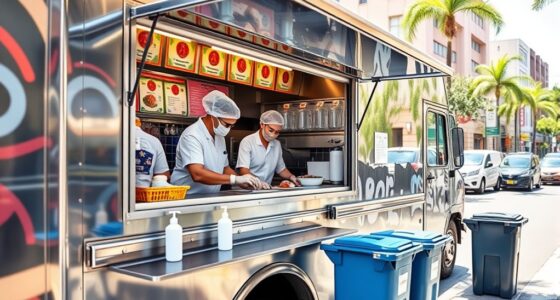
The investigation identified 36 illness clusters at 31 Chipotle Mexican Grill locations in seven states and five QDOBA locations in two states. Among 308 people interviewed, 281 said they had eaten at a Mexican-style restaurant before becoming ill. Commonly reported ingredients included jalapeño, red onion, cilantro and avocado. The reported restaurant meal dates ranged from June 14 to July 29; those findings do not by themselves establish that every named ingredient or restaurant was contaminated.
The Limits of the Reported Case Count
The reported 488 illnesses are confirmed cases in the investigation, not necessarily the outbreak’s full reach. The CDC says some people do not seek medical care, while others are not tested specifically for Salmonella. It estimates that 29 infections may go undetected for every confirmed Salmonella case. That is a general estimate, not a measured count of additional cases in this outbreak.
The investigation also shows how a contaminated ingredient can reach people through food prepared at multiple restaurants. Public-health agencies used patient interviews and supply-chain traceback to connect illnesses to the peppers, while recalls were issued for the whole peppers and certain products made with them. The CDC’s end-of-outbreak declaration marks a change in investigation status; it does not mean the original infections were minor, or explain precisely how the contamination occurred.
As an affiliate, we earn on qualifying purchases.
How Investigators Traced the Peppers
Investigators combined epidemiological interviews with supply-chain traceback. Of the 308 patients interviewed, most reported eating at a Mexican-style restaurant before their illness. Investigators then identified clusters linked to particular restaurant locations and followed distribution information to fresh jalapeños supplied by Coast Citrus Distributors.
As part of the work, FDA staff inspected a Mexican distributor identified through traceback. The FDA did not name that distributor in the information reported by Food Safety News. Inspectors observed operations, reviewed records and collected environmental samples. No jalapeños were available to sample during the inspection, and all collected environmental samples tested negative for Salmonella. The FDA said it could not determine the route or source of contamination.
“The CDC estimates for every confirmed patient in a Salmonella outbreak there are 29 who go undetected.”
— Centers for Disease Control and Prevention, as quoted in the Food Safety News report
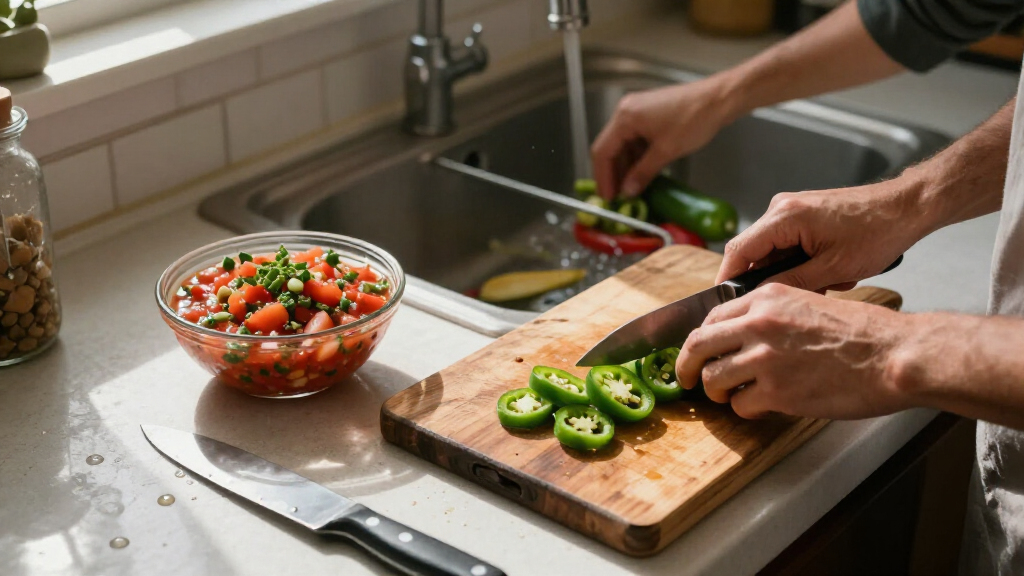
food safety gloves for handling peppers
As an affiliate, we earn on qualifying purchases.
As an affiliate, we earn on qualifying purchases.
What the Investigation Could Not Establish
Although traceback and epidemiological evidence pointed to jalapeños distributed by Coast Citrus Distributors, the FDA did not identify how or where the peppers became contaminated. The inspected distributor’s name was not reported, and investigators had no jalapeños available to test at the time of inspection. Environmental samples collected during the visit were negative for Salmonella, but that result did not establish the contamination route.
The case total also has limits: people who were not tested or did not seek care would not appear among the confirmed patients. The reported information does not give a final estimate of total infections, identify every affected product or customer, or explain whether any further recalls or regulatory actions will follow.
As an affiliate, we earn on qualifying purchases.
Recall Guidance and Investigation Status
The CDC has declared the outbreak over. The available report does not announce a new investigation milestone or give a date for further agency updates. Consumers and businesses can check current FDA recall notices for product-specific instructions, since recalled products may have been made with the peppers.
Anyone who believes they became ill after eating a recalled product should follow public-health guidance and contact a health-care provider when needed. The declaration does not resolve the source of contamination, and the supplied information does not say whether the FDA plans additional inspections or other follow-up.
reusable produce bags for vegetables
As an affiliate, we earn on qualifying purchases.
As an affiliate, we earn on qualifying purchases.
Key Questions
How many people were affected by the outbreak?
The CDC reported 488 confirmed infections across 34 states, with 65 hospitalizations and no reported deaths. The CDC cautions that confirmed totals may not include people who were not tested or did not seek care.
What food was linked to the Salmonella cases?
Traceback and epidemiological evidence linked the outbreak to fresh jalapeños from Sinaloa, Mexico, distributed by Coast Citrus Distributors. The reported investigation also identified illness clusters at certain Chipotle and QDOBA locations, but did not establish that every restaurant or ingredient mentioned was contaminated.
Did investigators find how the jalapeños became contaminated?
No. The FDA said it was unable to determine the route or source of contamination. No jalapeños were available for testing during the distributor inspection, and environmental samples collected there tested negative for Salmonella.
When did the reported illnesses occur?
Reported illness onset dates ranged from June 16 to August 26. July 5 was the peak reported illness date, with 38 people becoming ill that day.
The CDC’s declaration means the outbreak investigation has been called to an end; it does not provide a blanket safety finding for every product that may have used the peppers. Check FDA recall notices for specific products and follow the instructions listed in those notices.
Source: rss
NFL season / tailgating Picks
team gear
As an affiliate, we earn on qualifying purchases.