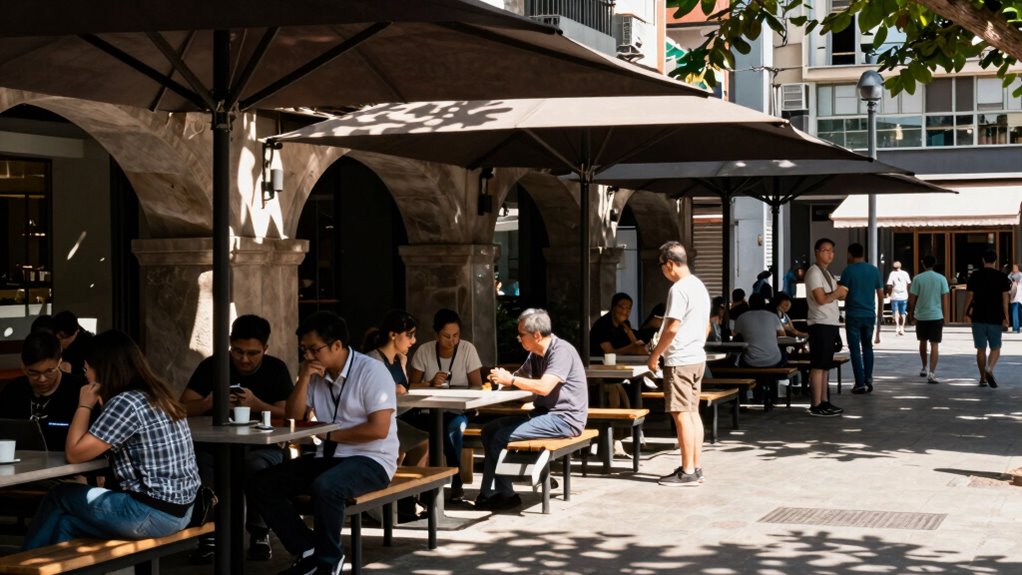

Providing shade makes your outdoor space more inviting by reducing heat and offering relief from the sun, encouraging visitors to stay longer. Comfortable seating nearby signals that people are welcome to pause, socialize, and enjoy their surroundings. Flexible standing areas facilitate movement and spontaneous interactions, adding vibrancy to your space. When combined thoughtfully, these features boost dwell time and community engagement. To discover more ways to create engaging outdoor environments, keep exploring how design choices can impact visitor stays.

Get kitchen staples and gadgets delivered free with Prime
- Fast, free delivery on millions of items
- Prime Video, Amazon Music and more included
- Member-only deals all year
Key Takeaways
- Shade reduces heat exposure, making outdoor areas more comfortable and encouraging longer stays.
- Adequate and comfortable seating promotes relaxation and socialization, increasing dwell time.
- Well-designed standing zones facilitate movement and mingling, extending visitors’ duration on-site.
- Sustainable materials and native plants create inviting environments that attract visitors to stay longer.
- Cultural tailoring of space features enhances user comfort, leading to increased dwell time.
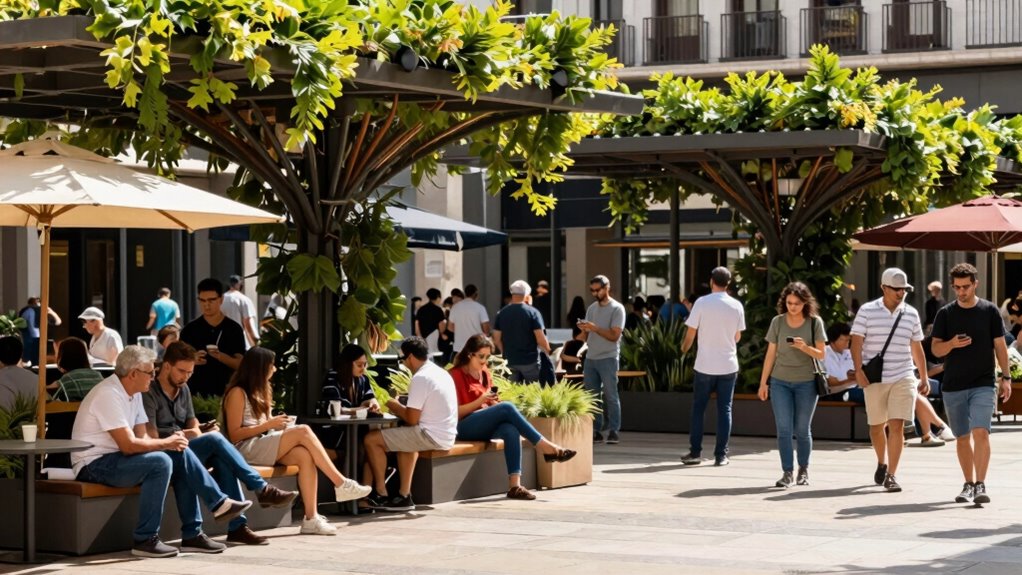
When designing outdoor spaces, understanding how shade, seating, and standing areas influence how long people stay is essential. These elements directly affect dwell time by shaping comfort, accessibility, and social interactions. Shade, for instance, provides relief from harsh sunlight, making outdoor environments more inviting during hot days. When people have access to shaded areas, they tend to linger longer, appreciating the cooler atmosphere and reduced heat exposure. This not only enhances their experience but also encourages more extended stays, fostering social connections and community engagement. Incorporating sustainable materials into the design further enhances environmental benefits and visitor satisfaction.
Seating arrangements play a key role in encouraging dwell time because they offer physical comfort and a sense of security. Well-placed benches or chairs invite people to sit and relax, transforming an ordinary space into a social hub. The quality and quantity of seating influence how accessible and welcoming a space feels. For example, ample seating near focal points like parks or plazas signals that visitors are encouraged to pause and enjoy the surroundings. Conversely, sparse or uncomfortable seating can discourage lingering, reducing dwell time and limiting social interactions. Additionally, flexible seating options that accommodate different group sizes can cater to a broader range of visitors, further increasing the time spent in the area.
Standing space also impacts how long people remain in an area. Open, uncluttered standing zones allow for movement and mingling, which can extend dwell time by facilitating spontaneous conversations and interactions. However, if standing areas are cramped or poorly defined, visitors may feel hurried or uncomfortable, shortening their stay. Thoughtful planning of standing zones ensures they serve as flexible spots for gathering without crowding or obstructing flow. Properly designed standing areas can also promote community interaction, making the space more vibrant and engaging for visitors.
Environmental impact also influences dwell time. By integrating sustainable materials, native plants, and eco-friendly design practices, you create a space that not only attracts visitors but also minimizes ecological harm. For example, shaded areas with native trees reduce energy use and improve air quality, making outdoor spaces more appealing and environmentally responsible. This positive impact encourages longer visits, as people feel connected to a space that respects nature and promotes sustainability. Furthermore, environmentally conscious designs can foster a sense of pride and stewardship among users, encouraging repeated visits.
Cultural influences shape how outdoor spaces are used and perceived. Different communities have unique preferences regarding shade, seating, and open space. For some, shaded areas might be indispensable for social gatherings, while others value open standing zones for performances or markets. Understanding these cultural nuances helps you design spaces that resonate with local traditions and behaviors, ultimately increasing dwell time by aligning with users’ expectations and comfort levels. When you consider environmental impact and cultural influences, you create outdoor environments that are both sustainable and culturally meaningful, encouraging people to stay longer and engage more deeply.
As an affiliate, we earn on qualifying purchases.
Frequently Asked Questions
How Does Weather Affect Dwell Time in Shaded Areas?
Weather patterns considerably influence your dwell time in shaded areas. When it’s hot or sunny, you tend to linger longer in shaded spots to escape the heat, especially if the shade distribution is effective. Conversely, on cooler or cloudy days, you may spend less time there, as the need for shade diminishes. Your choice to stay in shaded areas directly responds to weather conditions, affecting how long you remain in those spaces.
What Materials Are Best for Long-Lasting Seating in High-Traffic Areas?
You’d think choosing materials for high-traffic seating would be simple, but ironically, durability often sacrifices comfort. Opt for materials like stainless steel, high-density polyethylene, or treated teak—they resist wear and tear, ensuring longevity. These options blend material durability with seating comfort, so users stay longer without discomfort. Despite the hustle, your seating stays inviting and resilient, proving that long-lasting comfort isn’t just a dream but a smart, durable reality.
How Does Lighting Influence Standing Space Dwell Time at Night?
Lighting profoundly influences standing space dwell time at night by shaping the nighttime ambiance and engaging illumination psychology. When you use warm, inviting lighting, it encourages people to linger longer, feeling more comfortable and relaxed. Bright, well-placed lights boost visibility, making the area feel safer and more welcoming. Proper lighting creates a cozy atmosphere, subtly inviting individuals to stay, socialize, and enjoy the space for extended periods.
Can Digital Signage Impact How Long People Stay in Seating Zones?
Like a lighthouse guiding sailors, digital signage influences how long you stay in seating zones through visual engagement. Interactive displays draw your attention, inviting you to linger longer, while vivid visuals create a sense of comfort and interest. By mesmerizing your senses, digital signage subtly encourages you to relax and enjoy the space, increasing dwell time. You become part of the visual story, making your experience more engaging and memorable.
What Role Does Soundscape Play in Increasing Dwell Time?
Soundscape plays a key role in increasing dwell time by creating a calming, engaging environment. When you incorporate ambient noise that complements visual complexity, it encourages people to linger longer. A well-designed soundscape reduces noise distractions and fosters a sense of comfort and focus, making visitors feel more relaxed and inclined to stay. This immersive experience naturally extends dwell time, enhancing overall engagement in the space.
comfortable outdoor benches and chairs
As an affiliate, we earn on qualifying purchases.
As an affiliate, we earn on qualifying purchases.
Conclusion
So, next time you’re out, pay attention to how shade, seating, and standing space shape your experience. These subtle elements influence how long you linger, converse, or move on. But what if tweaking just one of these factors could transform a simple space into a communal hub? The answers lie in understanding these dynamics—waiting quietly in the wings, ready to change how we connect. Are you ready to see what’s next?
adjustable standing tables for outdoor spaces
As an affiliate, we earn on qualifying purchases.
As an affiliate, we earn on qualifying purchases.
sustainable outdoor seating materials
As an affiliate, we earn on qualifying purchases.
As an affiliate, we earn on qualifying purchases.
NFL season / tailgating Picks
team gear
As an affiliate, we earn on qualifying purchases.