
Smarter fuel budgeting in a route-based business involves using data and technology to optimize routes, vehicle deployment, and driving habits. You should regularly monitor fuel expenses, set clear budgets, and promote fuel-efficient driving practices like steady speeds. Integrate maintenance schedules to prevent inefficiencies, and leverage GPS and telematics for real-time insights. By aligning strategies and reviewing performance, you can control costs and boost efficiency—discover more ways to enhance your fuel management as you continue exploring.

Get kitchen staples and gadgets delivered free with Prime
- Fast, free delivery on millions of items
- Prime Video, Amazon Music and more included
- Member-only deals all year
Key Takeaways
- Implement real-time GPS and telematics data to monitor fuel consumption and identify inefficiencies promptly.
- Set dynamic fuel budgets aligned with seasonal and operational variations, adjusting based on data insights.
- Promote fuel-efficient driving practices, such as steady speeds and gentle acceleration, across the fleet.
- Integrate maintenance schedules with route planning to prevent breakdowns and optimize fuel economy.
- Continuously analyze fuel expense patterns to identify savings opportunities and enforce accountability.
Have you ever wondered how route-based businesses manage their fuel expenses so effectively? The secret often lies in smarter fuel budgeting strategies that maximize efficiency and minimize waste. One key component is fleet optimization, which involves analyzing your routes, vehicle types, and driving patterns to guarantee you’re deploying the right vehicles for the job. When you optimize your fleet, you reduce unnecessary mileage, avoid overlapping routes, and ensure each vehicle operates at peak efficiency. This doesn’t mean just cutting costs; it means making smarter decisions about vehicle deployment to save fuel and time simultaneously.
Along with fleet optimization, maintenance scheduling plays a critical role in controlling fuel expenses. Regularly scheduled maintenance keeps your vehicles running smoothly, preventing issues like engine inefficiency or excessive idling that can drain fuel. When you stay on top of maintenance, your vehicles perform better, consume less fuel, and have a longer lifespan. For example, simple tasks like timely oil changes, tire rotations, and air filter replacements can considerably improve fuel economy. By integrating maintenance schedules with your route planning, you prevent breakdowns or delays that might force you to take longer, less efficient routes or leave vehicles idling longer than necessary. Additionally, proper vehicle maintenance can help identify and address small issues before they become costly problems that impact fuel efficiency. Incorporating fleet analytics can further enhance your ability to monitor and improve these processes in real time. Using data-driven insights can also help you identify patterns and opportunities for further savings and efficiency improvements.
Regular vehicle maintenance boosts fuel efficiency and prevents delays, optimizing route performance and reducing costs.
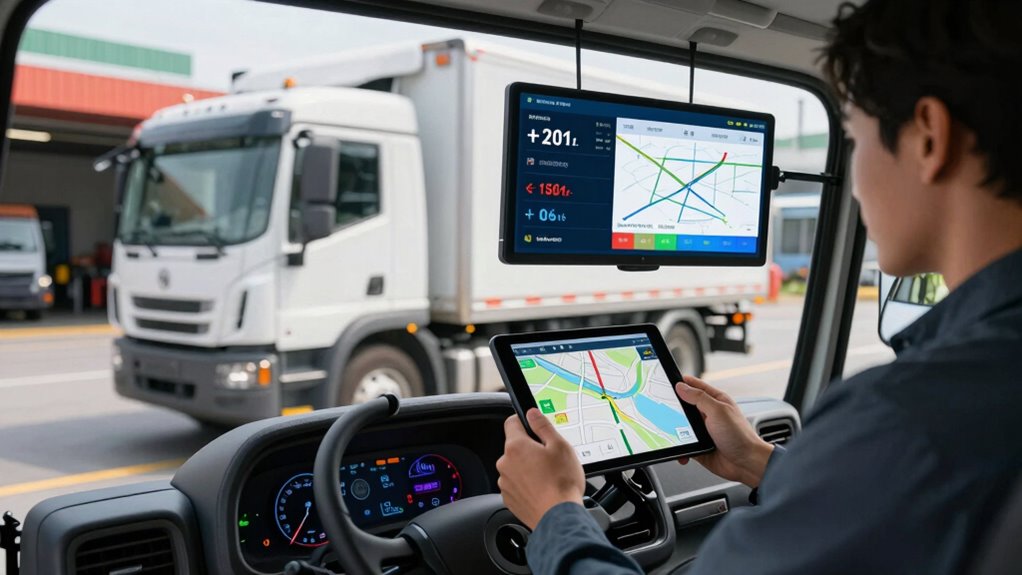
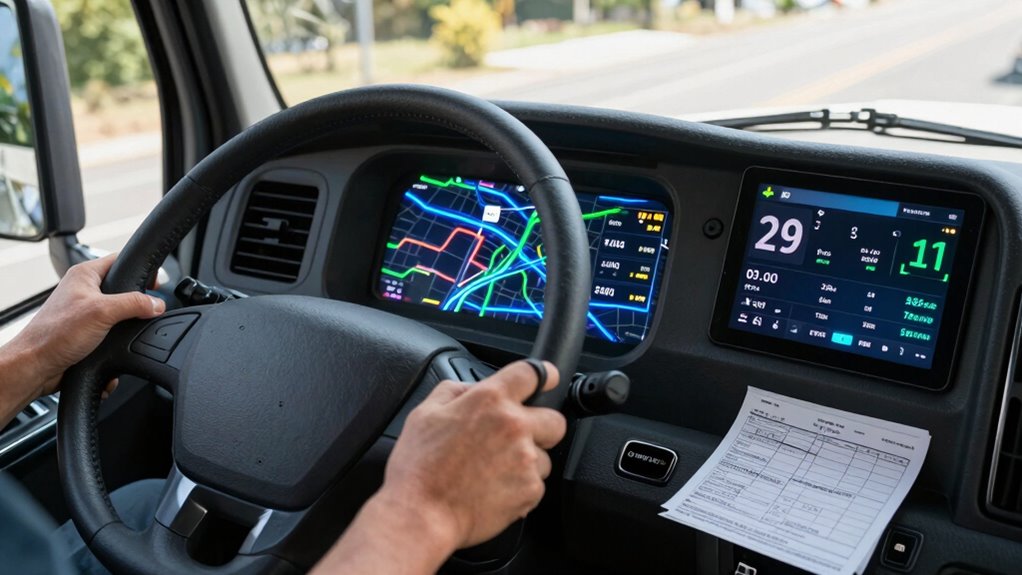
Effective fuel budgeting also involves leveraging technology. GPS tracking and telematics tools give you real-time insights into your fleet’s performance, including fuel consumption patterns. With this data, you can identify which routes or drivers are less efficient and make adjustments accordingly. For instance, you might discover that certain routes could be shortened or that some drivers tend to accelerate or brake harshly, wasting fuel. Using these insights allows you to implement targeted training or route adjustments, further curbing unnecessary fuel use. Additionally, real-time data can help you respond quickly to unexpected issues that could otherwise lead to fuel waste. Incorporating advanced analytics into your operations can provide even deeper insights into fuel consumption trends, enabling smarter decision-making.
Furthermore, setting clear fuel budget goals and regularly monitoring them keeps your team accountable. When you track fuel expenses against your projections, you spot inefficiencies early and can take corrective action. Incorporating fuel-efficient driving practices—such as maintaining steady speeds and avoiding rapid accelerations—also contributes to smarter fuel management. Encouraging your drivers to adopt these habits can lead to noticeable savings. It’s also beneficial to periodically review your fuel budgets to adapt to seasonal or operational changes, ensuring your strategies remain effective over time. This ongoing review process helps you stay ahead of potential inefficiencies and adapt to changing conditions.
In essence, smarter fuel budgeting in a route-based business hinges on a combination of fleet optimization, diligent maintenance scheduling, and leveraging technology to gain insights. When you focus on these areas, you not only control costs but also improve overall operational efficiency. It’s about making data-driven decisions, maintaining your vehicles well, and planning routes thoughtfully. This all-encompassing approach ensures that your fuel expenses stay predictable and manageable, giving your business a competitive edge in a cost-sensitive industry.
As an affiliate, we earn on qualifying purchases.
Frequently Asked Questions
How Can Technology Improve Fuel Budgeting Accuracy?
Technology improves fuel budgeting accuracy through advanced fuel tracking systems and data analytics. You can monitor real-time fuel consumption, identify inefficiencies, and adjust routes accordingly. Data analytics helps you analyze historical data to predict future fuel needs more precisely. With these tools, you gain better control, reduce waste, and optimize your budget, making your fuel management smarter and more reliable.
What Are Common Mistakes in Route-Based Fuel Budgeting?
You often make mistakes like underestimating fuel theft risks or neglecting vehicle maintenance, which skews your fuel budget. Overlooking fuel theft can lead to unexpected losses, while ignoring vehicle maintenance increases fuel consumption and costs. You should regularly monitor for theft and keep vehicles in ideal condition. These steps help you create a more accurate, reliable fuel budget, ultimately saving money and improving route efficiency.
How Often Should Fuel Budgets Be Reviewed and Adjusted?
You should review and adjust your fuel budgets monthly, especially if your fleet’s fuel consumption varies due to seasons or route changes. Studies show that inconsistent budget allocation can lead to 10-15% overspending. Regular reviews help you stay aligned with actual fuel use, identify inefficiencies, and refine predictions. By staying proactive, you guarantee your budget accurately reflects current needs, saving costs and improving overall route efficiency.
What Role Does Driver Behavior Play in Fuel Efficiency?
Your driver behavior considerably impacts fuel efficiency. By implementing driver training, you teach safe, eco-friendly driving techniques, reducing fuel consumption. Regular behavior monitoring helps you spot and correct habits like idling or aggressive acceleration that waste fuel. When you promote good driving habits, you not only cut costs but also extend vehicle lifespan, making your fuel budgeting smarter and more effective.
How Can Businesses Forecast Fuel Price Fluctuations?
You can forecast fuel price fluctuations by analyzing market forecasting reports and monitoring industry trends regularly. Keep an eye on fuel price volatility data and economic indicators that influence fuel costs. Using these insights, you can anticipate potential increases or decreases in fuel prices, allowing you to adjust your budgets proactively. Implementing predictive analytics tools can also improve accuracy, helping you manage expenses more effectively and stay prepared for market shifts.
As an affiliate, we earn on qualifying purchases.
Conclusion
By adopting smarter fuel budgeting strategies, you’ll find yourself effortlessly steering the twists and turns of your route-based business. Suddenly, those unexpected detours become manageable, and your savings start stacking up quietly, almost like they were meant to be there all along. It’s a subtle coincidence—your efficiency improves just as your bottom line does. With the right approach, you’re not just fueling vehicles; you’re fueling growth, confidence, and a future where every mile counts.
fuel efficiency monitor for trucks
As an affiliate, we earn on qualifying purchases.
As an affiliate, we earn on qualifying purchases.
vehicle maintenance scheduling software
As an affiliate, we earn on qualifying purchases.
As an affiliate, we earn on qualifying purchases.
Columbus Day / Indigenous Peoples' Day Picks
long weekend sales
As an affiliate, we earn on qualifying purchases.