
TL;DR

Get kitchen staples and gadgets delivered free with Prime
- Fast, free delivery on millions of items
- Prime Video, Amazon Music and more included
- Member-only deals all year
A Good Housekeeping report recommends adding nine commonly overlooked areas to a weekly home-cleaning routine, including bedding, towels, rugs and high-touch surfaces. The advice is a general cleaning guide, not a report of new research; cleaning frequency can vary with household use, illness, allergies and product instructions.
Good Housekeeping has outlined nine household areas that people may overlook in a weekly cleaning routine, including sheets, kitchen appliances, bathroom surfaces and frequently handled switches and knobs. The report offers practical guidance for keeping commonly used spaces clean, while noting that some tasks may need to happen more or less often depending on household conditions.
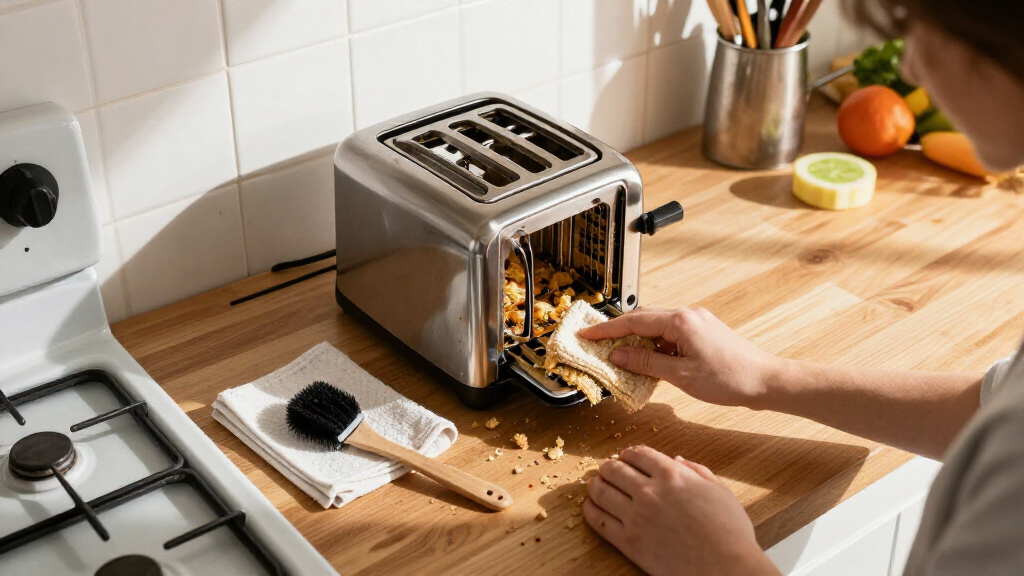
The checklist covers both items that collect everyday soil and surfaces touched by multiple people. It recommends washing sheets and pillowcases about every seven days, vacuuming rugs and carpets weekly, and wiping down high-touch kitchen appliances such as refrigerator handles, cooktops, microwaves and coffee makers. For bathroom upkeep, it names sinks, counters, toilet seats and handles among the areas to clean.
Other suggested weekly tasks include cleaning bath towels, dusting wood furniture, and wiping light switches and doorknobs. For hard floors, the report recommends dry sweeping or mopping hardwood every few days rather than a weekly wet clean. It says deeper wet cleaning with a hardwood floor product can generally wait one to two months, depending on use.
The guidance includes product-use cautions: disinfectants should remain wet on surfaces for the time listed on their labels, and liquids should not seep behind electrical switches. The report also says to clean toilet brushes and let them dry outside their holder before putting them away. For surfaces and fabrics, follow the relevant product and care-label directions.
The Areas Daily Routines Miss
The list draws attention to a distinction between visible dirt and frequently touched surfaces. A kitchen may look tidy while appliance handles and controls still need wiping; likewise, bathroom cleaning can miss faucet handles or the toilet handle. Turning these small jobs into a routine may help households keep up with ordinary grime and reduce the buildup of dust, hair and residue.
Frequency matters, but the report does not present its schedule as a universal rule. People who share a home, have pets, experience heavier use or are managing illness or allergies may need to adjust some tasks. The practical value is a reminder to review what gets touched and used regularly, rather than treating every room or material the same way.
Products Worth Considering

Traeger Pro 22 Wood Pellet Grill and Smoker, 572 sq. in.

Traeger Westwood Wood Pellet Grill and Smoker, 653 sq. in., WiFIRE

Weber Searwood XL 600 Wood Pellet Smoker Grill, 36 inches, Black
As an affiliate, we earn on qualifying purchases.
A Mix of Weekly and Deeper Cleaning
Although the headline focuses on weekly cleaning, the report distinguishes between routine maintenance and less frequent jobs. It recommends weekly vacuuming for rugs, while suggesting professional carpet cleaning about once a year. It places wet cleaning for hardwood floors on a longer schedule—every one to two months or as needed—and says deeper dusting of items such as blinds and light fixtures can be done monthly.
The report also suggests cleaning under and behind furniture, vacuuming mattresses, and washing pillows and comforters every three to six months. Those intervals sit alongside its weekly recommendations for sheets and pillowcases. It advises more frequent sheet washing when pets sleep in the bed or someone at home has dust or pollen allergies, sweats heavily, or has an infectious illness. These are the report’s recommendations, not findings from a newly described experiment or survey.
““every seven days or so””
— Good Housekeeping report
How Often Depends on the Home
The supplied report does not identify a single schedule that will suit every household, nor does it provide research data comparing cleaning frequencies. Its recommendations are general guidance. Use levels, fabric care instructions, floor finishes and product labels can affect the appropriate method and timing; the report does not specify a particular disinfectant brand or establish that every listed surface needs the same treatment.
It also does not quantify how much the suggested routine changes germ levels or health outcomes. Its statements about more frequent laundering for particular household circumstances should be understood as advice from the report, not as a measured effect or a substitute for medical guidance.
Putting the Checklist to Use
The report sets out no scheduled follow-up or new research milestone. Readers can use the list as a prompt to check their own routine, then adapt it to their home: wash fabrics according to care labels, choose cleaners suitable for each surface, and follow disinfectant contact-time instructions. Keep liquids away from openings in electrical switches, and let cleaning tools dry before storing them.
A workable routine can separate recurring chores from occasional deep cleaning. Weekly tasks might include bedding, towels, appliance touchpoints, bathroom surfaces, rugs and furniture dusting; floor care and deeper jobs can follow the longer intervals in the report or the needs of the home.
Key Questions
Which nine spots does the report recommend adding to a routine?
The list covers sheets and pillowcases, kitchen appliances, rugs, hardwood floors, bathroom surfaces, toilets, light switches and doorknobs, towels, and wood furniture. The recommended frequency differs by item.
How often does the report recommend washing sheets?
It suggests washing sheets and pillowcases about every seven days. It says households with pets in bed, allergies, heavy sweating or an infectious illness may consider washing them more often.
Does every item on the list need a weekly deep clean?
No. The report distinguishes weekly upkeep from less frequent work. For example, it recommends vacuuming rugs weekly, but says professional carpet cleaning can be scheduled about annually; hardwood floors can be dry-swept every few days and wet-cleaned every one to two months or as needed.
What should people know when disinfecting surfaces?
Follow the product label, including how long a surface must stay wet. When cleaning switches, the report cautions against letting liquid seep behind them.
Source: goodhousekeeping.com