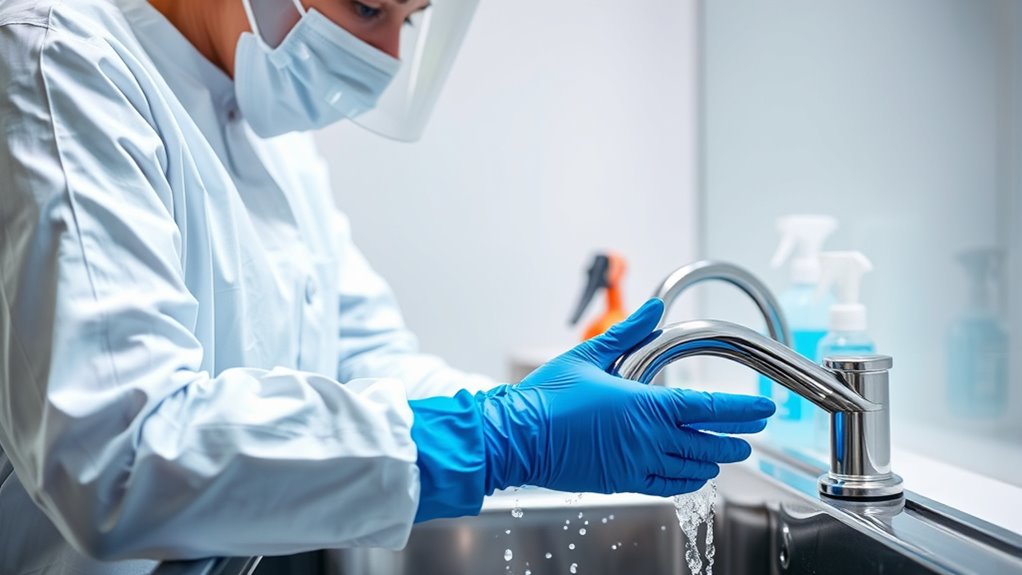

To effectively implement disease precautions and hygiene, you should wash your hands with soap and water for at least 20 seconds, especially before eating and after touching surfaces. Use PPE like masks and gloves properly, and discard them safely after use. Regularly disinfect high-touch surfaces and practice respiratory hygiene by covering your mouth when coughing. Staying updated on health guidelines and using technology tools can further enhance your safety measures—dive deeper to discover more essential tips.

Get kitchen staples and gadgets delivered free with Prime
- Fast, free delivery on millions of items
- Prime Video, Amazon Music and more included
- Member-only deals all year
Key Takeaways
- Enforce regular handwashing with soap for at least 20 seconds and use sanitizer when soap isn’t available.
- Properly don, doff, and dispose of PPE to prevent contamination and infection spread.
- Frequently disinfect high-touch surfaces with EPA-approved disinfectants.
- Promote respiratory hygiene by covering coughs and sneezes and disposing of tissues properly.
- Educate staff and the public on current guidelines and leverage technology to ensure compliance and data security.
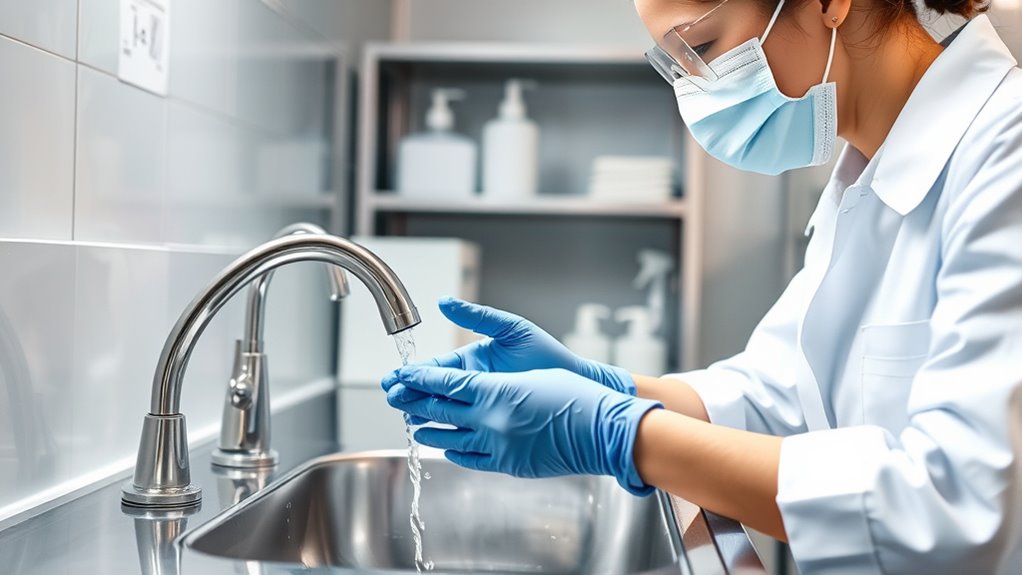
Maintaining proper disease precautions and hygiene is essential to prevent the spread of infections and protect your health. One of the most effective ways to do this is by adhering to proper handwashing protocols. Regular handwashing with soap and water for at least 20 seconds removes germs that you can transfer from surfaces or other people. Make sure to wash all parts of your hands, including under your nails and between your fingers. When soap and water aren’t available, an alcohol-based hand sanitizer with at least 60% alcohol is a good alternative. Consistency is key; washing your hands before eating, after using the restroom, and after touching surfaces in public spaces significantly reduces the risk of infection. AI security solutions can also enhance health data protection, ensuring sensitive information remains confidential and secure in healthcare settings.
Alongside handwashing protocols, PPE usage plays an indispensable role in safeguarding your health. Personal protective equipment, such as masks, gloves, gowns, and eye protection, acts as a barrier against infectious agents. Use masks correctly by covering your nose and mouth completely, ensuring a snug fit to prevent air leaks. Gloves should be worn when you’re in contact with contaminated surfaces or bodily fluids, and always change them between tasks to avoid cross-contamination. Gowns or aprons are essential when you’re exposed to bodily fluids or working in high-risk environments, providing a protective barrier on your clothing and skin. Proper PPE usage isn’t just about wearing the gear; it also involves correct donning and doffing techniques to prevent contamination. Carefully remove gloves and masks without touching the contaminated surfaces, and dispose of them properly in designated waste containers.
You also need to be vigilant about maintaining hygiene in your environment. Regularly disinfect high-touch surfaces like doorknobs, light switches, and electronic devices using EPA-approved disinfectants. Proper waste disposal is indispensable—discard used PPE and other contaminated materials in sealed bags to prevent the spread of pathogens. Additionally, practicing respiratory hygiene—covering your mouth and nose with a tissue or elbow when coughing or sneezing—further reduces transmission risks.
Educating yourself about these protocols is indispensable. Keep updated on the latest guidelines from health authorities and incorporate these practices into your daily routine. Remember, implementing consistent handwashing protocols and correct PPE usage are your frontline defenses against infections. They protect not only your health but also the health of those around you. By staying disciplined and proactive, you help create a safer environment for everyone, especially during outbreaks or in healthcare settings. Your commitment to these hygiene measures makes a tangible difference in controlling disease spread and maintaining overall wellness. Employing AI security technologies can further assist healthcare providers in safeguarding patient data and ensuring compliance with health regulations.
As an affiliate, we earn on qualifying purchases.
Frequently Asked Questions
How Often Should Hand Sanitizer Be Reapplied?
You should reapply hand sanitizer every time your hands become visibly dirty or after touching surfaces in public areas. Generally, follow the reapplication guidelines of the hand sanitizer, which recommend using it for at least 20 seconds each time. Remember, hand sanitizer frequency depends on your activity and environment. When in doubt, reapply whenever you feel your hands need cleaning or after contact with potentially contaminated objects.
Are Natural Remedies Effective for Disease Prevention?
Think of herbal remedies as gentle shields, offering natural strength through holistic treatments. While they can support your immune system and soothe symptoms, they aren’t foolproof against all diseases. Their effectiveness varies, and scientific evidence is often limited. Relying solely on natural remedies might leave gaps in your protection. Use them as complementary tools, but prioritize proven precautions like hygiene, vaccination, and medical advice for complete disease prevention.
What Are the Best Practices for Cleaning Electronic Devices?
To keep your electronic devices clean, prioritize electronics sanitation by regularly wiping surfaces with a microfiber cloth. Use a gentle, alcohol-based disinfectant to sanitize screens and keypads, ensuring you follow manufacturer guidelines to avoid damage. Proper device maintenance includes unplugging devices before cleaning and avoiding excessive moisture. By practicing good electronics sanitation, you reduce germs and keep your devices functioning properly, extending their lifespan and ensuring safe usage.
How Can We Encourage Compliance With Hygiene Protocols?
Did you know that consistent hygiene practices can reduce illness transmission by up to 50%? To encourage compliance, you should focus on behavior reinforcement through positive feedback and reminders. Launch educational campaigns that highlight the importance of hygiene, making it clear how simple actions protect everyone. When people understand the impact, they’re more likely to follow protocols willingly. Keep communication clear, engaging, and supportive to foster lasting good habits.
What Are the Costs Associated With Implementing These Precautions?
The financial impact of implementing disease precautions involves costs for supplies like masks, sanitizer, and cleaning products. You’ll also need to allocate resources for staff training and ongoing maintenance. While these expenses might seem significant initially, they help prevent outbreaks, ultimately saving money by reducing healthcare costs and minimizing disruptions. Proper resource allocation guarantees you effectively balance safety measures with budget considerations, maintaining a healthy environment.
As an affiliate, we earn on qualifying purchases.
Conclusion
By consistently practicing good hygiene and following disease precautions, you can substantially reduce your risk of illness. Did you know that proper handwashing can cut respiratory infections by up to 21%? Staying vigilant and maintaining these habits not only protect you but also help keep your community safe. Remember, small actions like washing your hands regularly and covering your mouth can make a big difference in preventing the spread of disease.
As an affiliate, we earn on qualifying purchases.
disposable face masks for adults
As an affiliate, we earn on qualifying purchases.
As an affiliate, we earn on qualifying purchases.
NFL season / tailgating Picks
team gear
As an affiliate, we earn on qualifying purchases.