
To safeguard your staff and food during extreme weather, you should develop tailored safety protocols for each hazard and communicate them clearly in advance. Reinforce structures, secure outdoor areas, and keep walkways clear to prevent accidents. Use reliable communication channels for updates and ensure staff are trained on emergency procedures. Keep food refrigerated, covered, and protected from environmental damage. Staying prepared with these measures helps safeguard everyone and preserve your supplies—discover more strategies to stay resilient.

Get kitchen staples and gadgets delivered free with Prime
- Fast, free delivery on millions of items
- Prime Video, Amazon Music and more included
- Member-only deals all year
Key Takeaways
- Develop and communicate tailored safety protocols for each extreme weather condition to keep staff informed and prepared.
- Secure outdoor areas and structures to prevent damage and hazards caused by high winds, snow, or heavy rain.
- Use reliable communication channels and provide PPE to ensure staff safety and effective response during weather emergencies.
- Maintain proper food storage with backup power sources and protective coverings to prevent spoilage and contamination.
- Conduct regular safety drills and emergency evacuations to ensure staff readiness and minimize risks during extreme weather events.

How can you effectively safeguard your staff and food in a busy environment? During extreme weather events, this becomes even more critical. Protecting your team’s safety and ensuring food preservation requires proactive planning and swift action. First, you need to assess the specific risks posed by the weather—whether it’s high winds, heavy rain, snow, or heatwaves—and prepare accordingly. Clear communication is essential; inform your staff about potential hazards and safety protocols beforehand, so everyone knows what to do when conditions worsen. Providing proper training on emergency procedures, such as evacuations or shelter-in-place protocols, helps prevent accidents and injuries, reinforcing employee safety in high-stress situations.
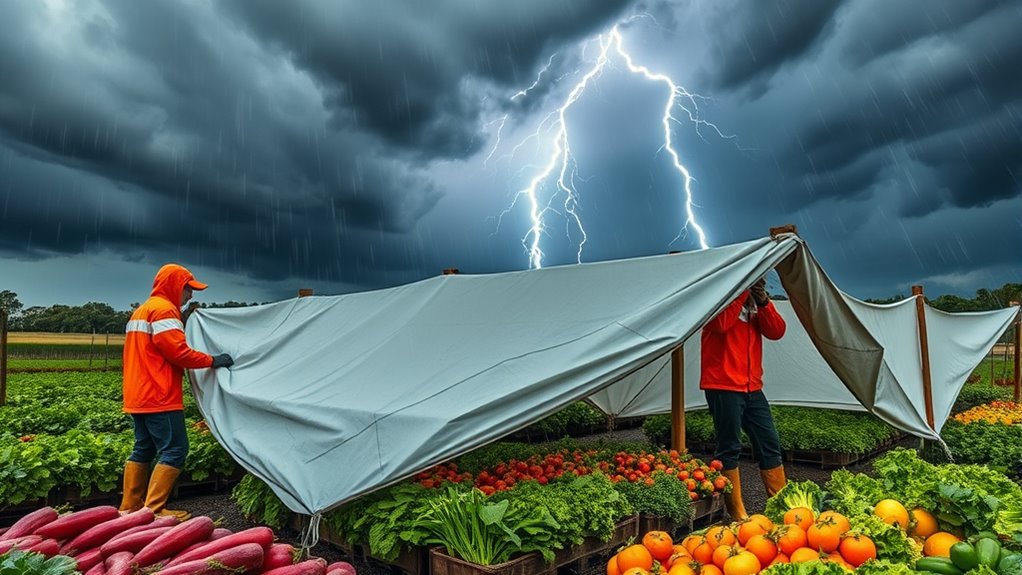
Physical safety measures are essential. Make sure walkways are clear of ice, snow, or debris, and have non-slip mats in place to prevent slips and falls. If you operate an outdoor or semi-outdoor kitchen, reinforce structures to withstand strong winds or heavy snowfall. Ensure that emergency exits are accessible and well-marked, even in poor visibility conditions. Additionally, providing personal protective equipment—like gloves, rain gear, or heat-resistant clothing—can protect staff from weather-related hazards. Regular safety drills during extreme weather prepare your team to respond quickly and confidently, reducing the risk of accidents.
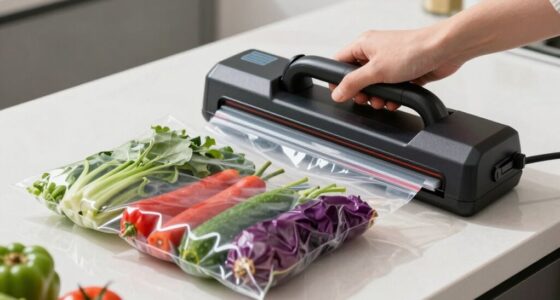
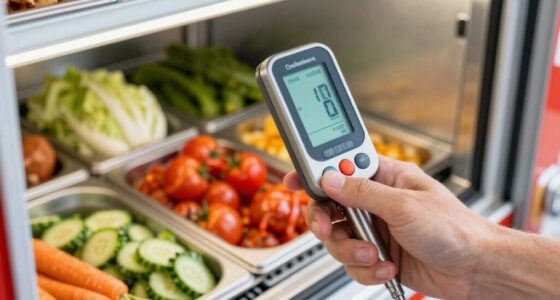
Food preservation during these times also demands attention. Extreme temperatures can spoil perishable items rapidly. For hot weather, keep refrigeration units at suitable temperatures, and avoid leaving food in direct sunlight or unprotected areas. In cold conditions, prevent freezers from freezing over or malfunctioning by monitoring temperatures closely. When power outages occur, having backup generators or alternative cooling methods becomes essential. Covering food with protective barriers shields it from dust, debris, or pests that might be attracted by the disruption. It’s also wise to have a contingency plan for relocating vital supplies if your primary storage areas become compromised. This minimizes waste and maintains food safety standards. Additionally, understanding pool safety principles can help you implement measures that prevent accidents during extreme weather, especially if your environment involves water features or outdoor pools.
Furthermore, communication plays a key role in safeguarding both staff and food. Use reliable channels—like radios or messaging apps—to stay updated on weather conditions and relay instructions quickly. Keeping your team informed allows them to make smart decisions, whether it’s pausing operations, evacuating, or implementing specific safety measures. By prioritizing employee safety and food preservation through thorough planning, physical safeguards, and clear communication, you create a resilient environment capable of weathering extreme conditions effectively. This not only protects your staff and supplies but also sustains your business’s reputation and operational continuity in challenging times.
Frequently Asked Questions
How Can Staff Safety Be Prioritized During Sudden Extreme Weather Events?
You can prioritize staff safety during sudden extreme weather by conducting hazard assessments beforehand and updating them regularly. Make certain staff receive proper training on emergency procedures, including evacuation routes and safety protocols. Keep communication clear and constant, providing access to emergency supplies. Encourage staff to stay alert, follow safety guidelines, and look out for each other. Your proactive approach minimizes risks and keeps everyone safe during unpredictable weather events.
What Are the Best Ways to Secure Food Supplies Against Weather Damage?
To secure food supplies against weather damage, focus on weatherproofing your storage areas and optimizing food storage practices. Use sealed, airtight containers to protect items from moisture and pests, and place perishables in climate-controlled environments. Guarantee storage sheds or warehouses are sturdy and resistant to wind, rain, or snow. Regularly inspect and maintain infrastructure to prevent leaks or damage, keeping your food supplies safe and intact during extreme weather.
How Should Emergency Protocols Be Communicated to Staff Quickly?
A stitch in time saves nine, so quick communication is crucial. To guarantee your staff understands emergency protocols, use clear communication strategies like briefings, visual alerts, and digital messaging. Conduct regular emergency training sessions to reinforce procedures. When a crisis hits, be direct and concise, and leverage multiple channels—emails, texts, alarms—to get everyone’s attention promptly. This way, you keep everyone prepared and minimize chaos during extreme weather events.
What Insurance Coverage Is Recommended for Weather-Related Damages?
You should consider extensive insurance coverage options like property insurance, business interruption, and flood insurance to protect against weather-related damages. Make sure your policy includes clear provisions for insurance claims related to storms, floods, or hurricanes. Review your coverage options regularly, and work with your agent to customize plans that minimize financial risks. This way, you’re prepared to quickly file claims and recover smoothly after severe weather events.
How Can Facilities Be Prepared for Prolonged Extreme Weather Conditions?
Think of your facility as a fortress ready to face storms. To prepare for prolonged extreme weather, you should prioritize facility maintenance, ensuring roofs, windows, and drainage systems are in top shape. Stay updated with weather forecasting to anticipate threats. Stock emergency supplies, secure outdoor equipment, and develop a plan for staff safety. Regular drills and inspections keep your fortress resilient, helping you weather any storm that comes your way.
Conclusion
By prioritizing staff safety and safeguarding your food, you prevent chaos and guarantee smooth operations even during the fiercest storms. Remember, a well-prepared establishment can withstand weather’s wrath like a fortress against a hurricane. Stay vigilant, adapt quickly, and implement safety measures diligently. When you act decisively, you not only protect your team and inventory but also prove that no storm is too powerful to conquer with proper planning. Your resilience makes all the difference.
Halloween Picks
halloween
As an affiliate, we earn on qualifying purchases.