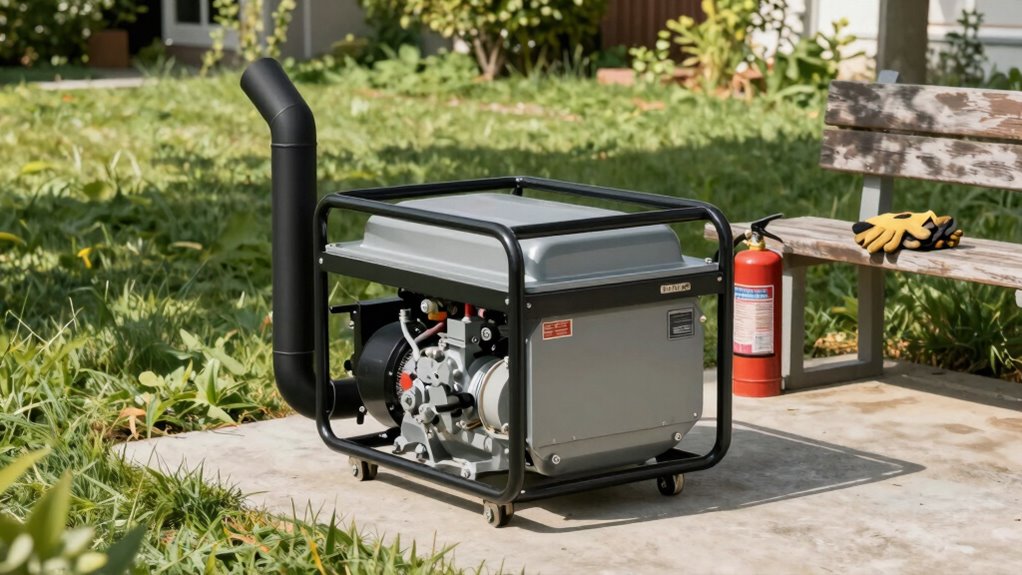

To place your generator safely without poisoning your workflow, choose an outdoor, well-ventilated spot away from windows, doors, and vents, guaranteeing it’s on a stable, level surface. Keep it at least 20 feet from indoor spaces, and use barriers or shields for noise and fume control. Regularly inspect ventilation and fuel areas, and wear safety gear during operation. For detailed tips on best placement, keep exploring how to protect your environment and guarantee safety.
Key Takeaways
- Position the generator outdoors in a well-ventilated area, away from windows, vents, and enclosed spaces.
- Keep exhaust outlets unobstructed and direct fumes away from indoor areas and living spaces.
- Maintain at least 20 feet distance from doors, windows, and vents to prevent harmful fumes from entering indoor environments.
- Use barriers or natural landscaping to reduce noise and contain fumes, ensuring safety and minimal workflow disruption.
- Regularly inspect and maintain ventilation, exhaust systems, and fuel storage to prevent leaks and buildup of dangerous fumes.
Why Safe Generator Placement Is Critical for Your Safety and Power Supply
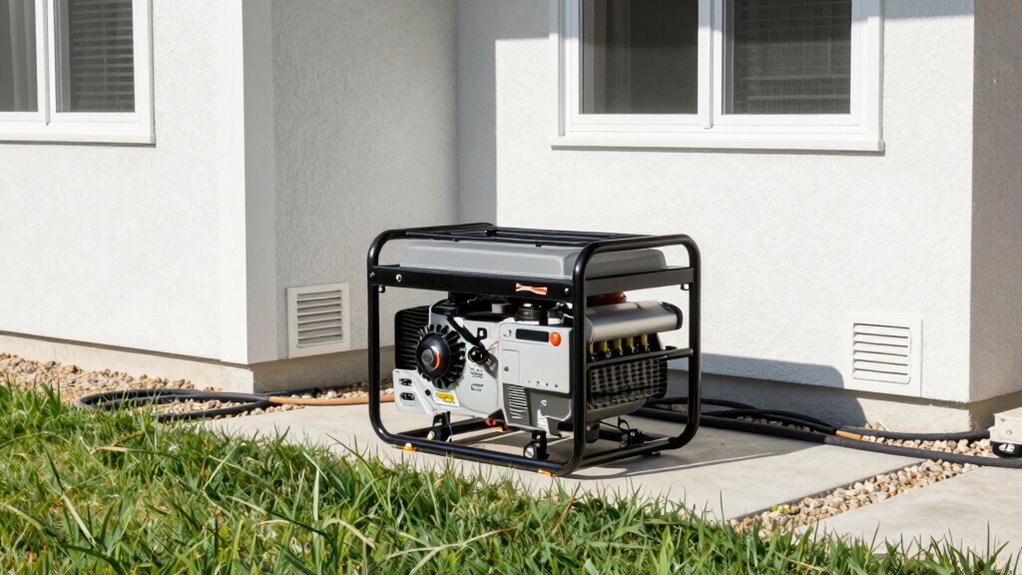
Have you ever considered how the placement of your generator can impact your safety and the reliability of your power supply? Proper positioning ensures noise reduction, helping keep your environment peaceful and limiting disturbance to others. It also plays an essential role in fuel safety. Placing your generator in a well-ventilated, outdoor spot prevents dangerous fumes from accumulating indoors, reducing the risk of poisoning. Avoid tight, enclosed spaces where exhaust gases can build up, and stay clear of combustible materials. Safe placement minimizes the chance of accidental damage or tampering, guaranteeing consistent power delivery. Additionally, understanding the adaptable, long-term structure of your setup can help you plan for future safety and efficiency. Recognizing the importance of proper ventilation is critical, as it directly affects how safely exhaust gases are dispersed. Proper air circulation helps prevent the buildup of harmful gases and improves overall safety. By prioritizing these factors, you protect yourself, your loved ones, and your property, while maintaining reliable, safe operation of your generator.
How to Pick the Best Outdoor Spot for Your Generator
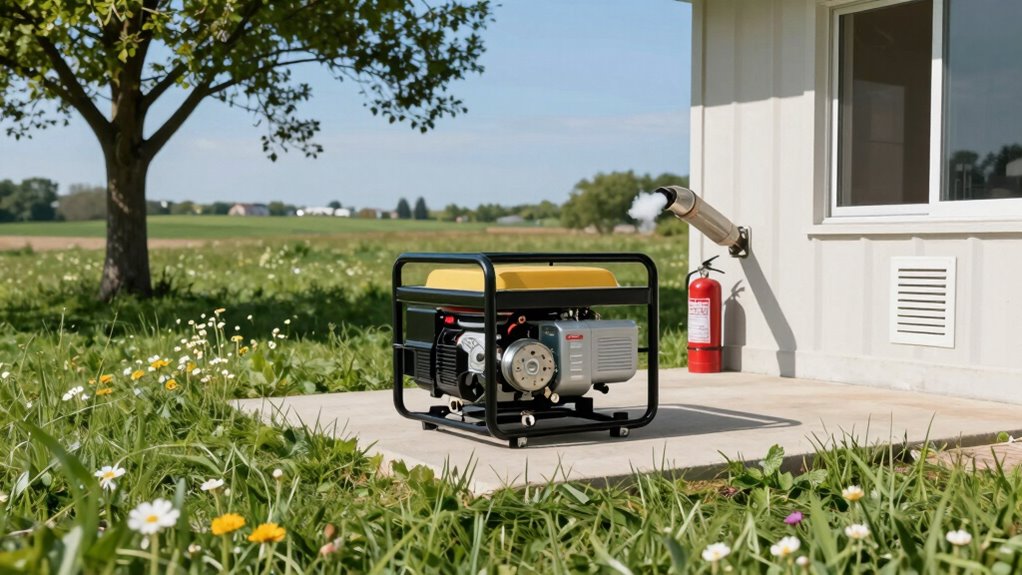
Choosing the right outdoor spot for your generator is essential for safe and efficient operation. You need a location that minimizes noise, guarantees safe fuel storage, and maintains proper airflow. Pick a flat, stable surface away from windows, vents, and doors to prevent exhaust fumes from entering your home. Consider placing it downwind of your living space to reduce noise and fumes. Keep fuel storage separate and secure, away from potential ignition sources. Use barriers or natural landscaping to dampen noise, and avoid enclosed spaces that trap exhaust gases. Confirm easy access for refueling and maintenance without disrupting your workflow. Remember, a strategic placement not only boosts safety but also helps keep your operation smooth and quiet. Proper wiring practices are also crucial to prevent heat buildup and reduce the risk of toxic fumes during operation. Additionally, ensuring proper ventilation around the generator can help prevent dangerous fumes from accumulating. Regularly inspecting your setup for potential hazards can further enhance safety. Always check local regulations to ensure your setup complies with safety standards and zoning rules. Proper placement also involves assessing the surrounding environment to avoid hazards like falling debris or flooding.
Ventilation Tips: Ensuring Proper Airflow and Avoiding CO Risks
Proper ventilation is essential once you’ve found the ideal outdoor spot for your generator. Good airflow helps maintain fuel efficiency by preventing overheating and guarantees the engine runs smoothly. Position your generator in a well-ventilated area, ideally away from enclosed spaces, to prevent dangerous carbon monoxide buildup. Use barriers or natural windbreaks to improve noise reduction, making it less disruptive to your workflow and neighbors. Keep the exhaust outlet unobstructed, directing fumes away from your workspace. Regularly inspect and clear vents and air intakes to prevent blockages. Proper airflow not only protects your health but also keeps your generator operating efficiently, saving fuel and extending its lifespan. Prioritize ventilation to keep your setup safe, quiet, and effective.
How Far Should Your Generator Be From Indoor Spaces?
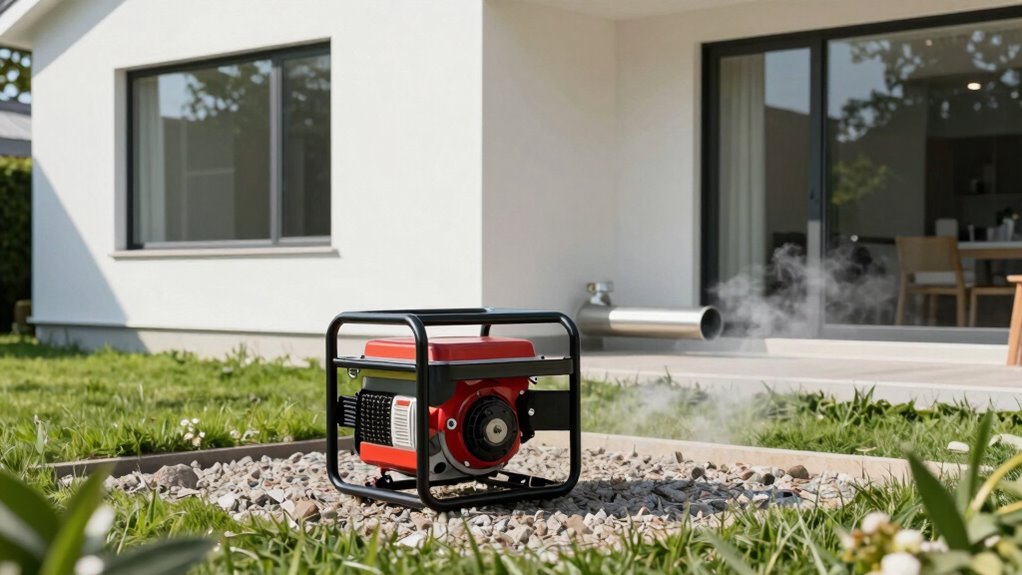
Wondering how far your generator should be from indoor spaces? It’s essential to maintain a safe distance to prevent carbon monoxide poisoning and manage noise. Typically, you should place your generator at least 20 feet away from any open windows, doors, or vents. Factors like generator fuel type and noise reduction needs influence this distance. Keep these points in mind:
- Use a sturdy, level surface for stability
- Keep the exhaust side facing away from indoor areas
- Guarantee proper ventilation to disperse fumes
- Increase distance if using high-capacity generators
- Consider sound barriers to minimize noise impact
- Be aware of whole-home water systems that require consistent power supply for optimal performance
- Staying informed about AI discoveries helps in understanding technological risks and benefits, especially when deploying power equipment.
- Always ensure proper generator maintenance to prevent malfunctions that could pose safety risks.
- Regularly check for fuel leaks to prevent dangerous buildup or fire hazards.
Maintaining adequate distance reduces CO risks and noise disturbances, guaranteeing safe operation while protecting your workflow. Always follow manufacturer guidelines and local regulations for ideal placement.
Using Barriers and Shields Safely Around Your Generator
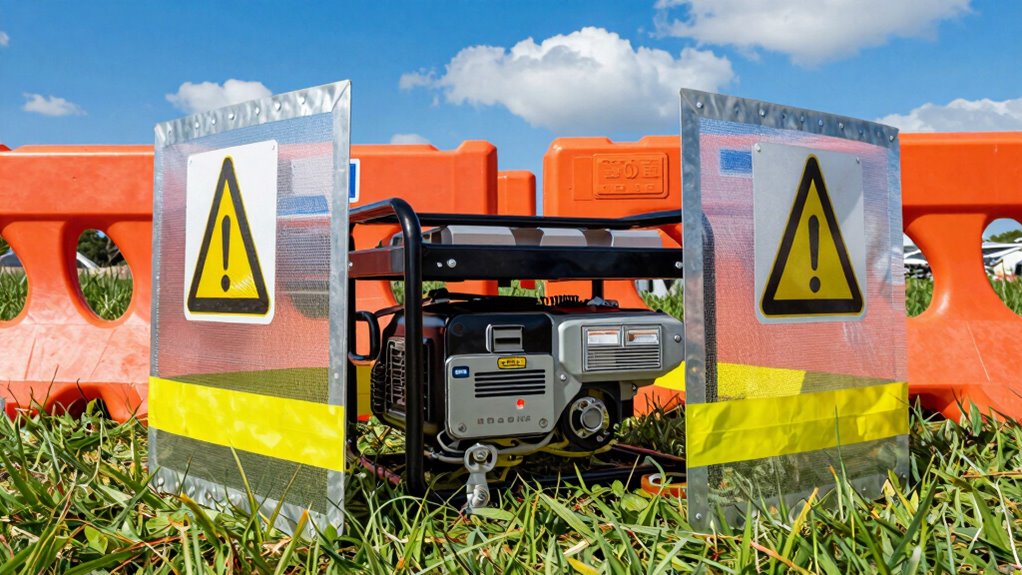
You need to position barriers and shields correctly to protect yourself from generator fumes and heat. Choose durable, fire-resistant materials that can withstand the environment, and place them at safe distances to maximize effectiveness. By following proper placement techniques and maintaining the right distance, you keep your workspace safe and efficient. Using barriers made from fire-resistant materials further enhances safety by reducing the risk of fire hazards caused by heat or sparks. Additionally, understanding nail biology and hygiene can remind you of the importance of maintaining a safe environment, much like protecting delicate biological structures from harm. Properly managing hazardous materials and ensuring adequate ventilation are also crucial steps to prevent dangerous buildup of fumes and maintain a safe working area. Incorporating landscaping around your workspace can also act as a natural barrier to help reduce fumes and contain heat, contributing to a safer environment. Ensuring proper battery safety procedures around your generator can also prevent hazardous situations and promote a safer work area.
Proper Barrier Placement Techniques
To guarantee safety when operating a generator, placing barriers and shields correctly is essential. Proper placement reduces generator noise, protects fuel storage, and prevents accidental contact. Position barriers at least 3 feet away from the generator to contain noise and prevent interference. Make sure shields direct exhaust fumes away from work areas, reducing inhalation risks. Keep combustible materials, especially fuel storage, well-separated from the generator, and enclose fuel areas with fire-resistant barriers. Use sturdy, non-flammable barriers to block unauthorized access. Regularly inspect and adjust barriers to maintain effectiveness. Remember, strategic placement minimizes hazards, controls noise levels, and safeguards your workflow from potential dangers. Proper barrier setup is crucial for a safe, efficient generator operation.
Shield Material Selection Tips
Choosing the right materials for barriers and shields is essential to guarantee safety around your generator. When selecting shield material, prioritize durability, heat resistance, and chemical stability to ensure it withstands environmental hazards and generator emissions. Safety barriers should be made from fire-resistant and impact-resistant materials to provide reliable protection. Consider metal, thick plastics, or specially designed barrier panels that block harmful fumes and physical debris effectively. Avoid flimsy or porous materials that may degrade or allow toxins to seep through. Properly installed shields and barriers made from quality materials help contain emissions, protect personnel, and prevent accidental contact with hot or moving parts. Additionally, reviewing precious metals IRA options can provide insights into durable, high-quality materials suitable for industrial safety applications. Conducting regular inspections ensures that shielding remains effective over time and maintains safety standards. Using appropriate protective materials can further enhance safety and longevity of your shielding setup. Incorporating fire-resistant barriers can also add an extra layer of protection against potential heat-related hazards. To ensure long-term effectiveness, consider material testing to verify that your chosen shields meet safety requirements. Always verify that your chosen shield material complies with safety standards to create a secure working environment.
Safe Distance Maintenance
How close is safe enough when working around a generator? Maintaining proper distance is key to reducing generator noise and guaranteeing fuel safety. Placing barriers and shields helps contain noise and prevents accidental contact with hot surfaces or fuel leaks. Keep these tips in mind:
- Position shields at least 3 feet away from the generator to block noise effectively.
- Use fire-resistant barriers around fuel sources to minimize fire risk.
- Keep combustible materials out of the shielded zone.
- Confirm barriers don’t obstruct airflow or ventilation.
- Regularly inspect shields for damage to maintain their protective function.
Protecting Your Generator From Weather and Theft
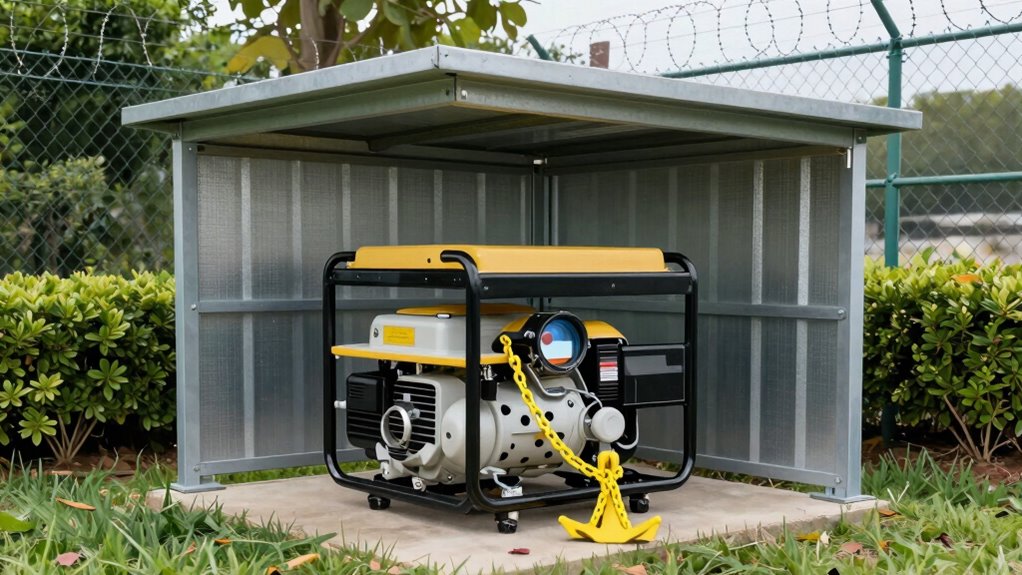
To shield your generator from weather and theft, you need secure storage solutions that keep it safe when not in use. Weatherproof covers are a simple way to safeguard against rain, snow, and debris. Choosing the right options ensures your generator stays functional and secure, no matter the conditions. Incorporating seasonal considerations into your storage plan can help prevent damage from extreme temperatures or humidity. Additionally, understanding mythology-inspired names can help you select a memorable and meaningful identity for your equipment or space.
Secure Storage Solutions
Protecting your generator from harsh weather and theft is essential to guarantee it functions reliably when you need it most. Secure storage minimizes exposure to elements and prevents unauthorized access. Consider a sturdy, lockable shed or enclosure to shield it from rain, snow, and extreme sun. Regular generator maintenance, including checking fuel storage, keeps it in prime condition. Install a security system or padlocks to deter theft. Elevate the unit on a concrete pad to prevent moisture damage. Keep fuel stored in approved containers away from ignition sources. Guarantee proper ventilation to avoid dangerous fumes. Regularly inspect the storage area for vulnerabilities. These measures keep your generator ready, safe, and well-maintained for whenever power is needed.
Weatherproof Cover Options
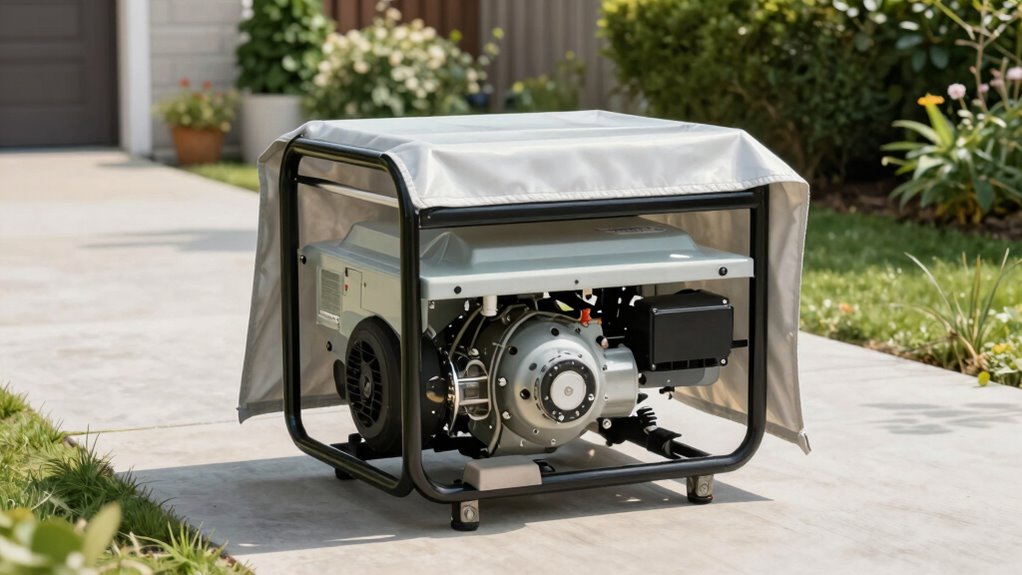
Choosing the right weatherproof cover for your generator helps keep it safe from the elements and potential theft. A durable cover protects your investment, reduces the need for frequent generator maintenance, and maintains fuel efficiency by preventing moisture buildup and corrosion. Look for covers made from weather-resistant materials like heavy-duty vinyl or polyester with UV protection. Ventilation is essential to prevent overheating and moisture accumulation inside the cover. A lockable cover adds an extra layer of theft prevention, especially if your generator is in a vulnerable area. Make sure the cover fits snugly without restricting airflow. Proper coverage minimizes exposure to rain, snow, and debris, helping your generator operate smoothly and last longer, saving you time and money on repairs and replacements.
Essential Safety Equipment to Use When Operating Your Generator
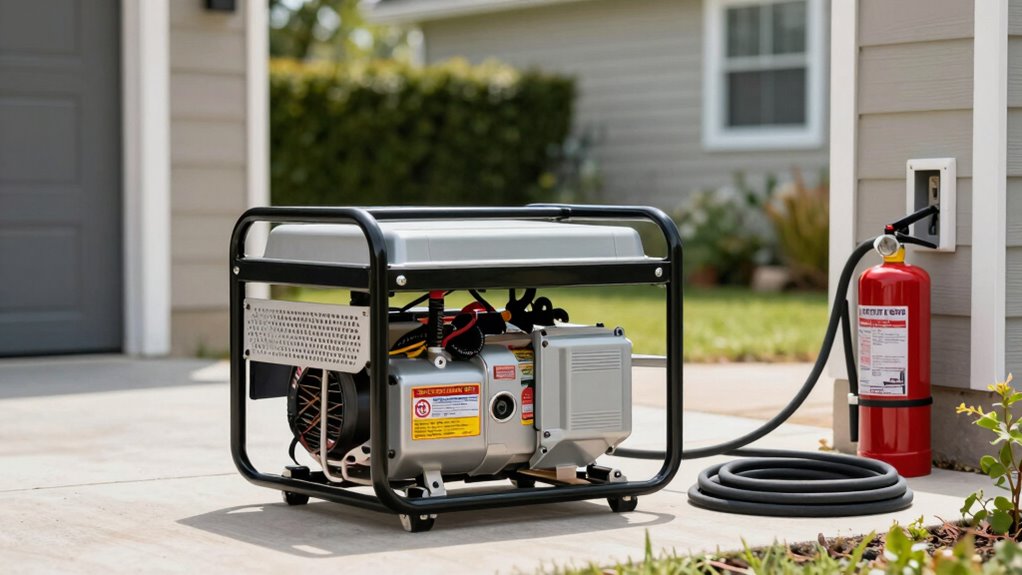
When operating a generator, wearing the right safety gear is essential to keep you safe and guarantee your work proceeds smoothly. Protect yourself from generator noise by using earplugs or earmuffs. Use gloves to handle fuel safely and prevent spills or burns. Safety goggles shield your eyes from sparks or debris. A dust mask helps avoid inhaling fumes or dust. Finally, wear sturdy footwear to prevent slips and protect your feet during setup or maintenance. These items guarantee your safety while managing fuel safety risks and reducing noise exposure. Remember, proper safety equipment minimizes accidents and helps you focus on your work without distractions. Always check your gear before starting, and never compromise on safety to keep your workflow efficient and safe.
Regularly Inspecting and Maintaining Your Generator’s Placement
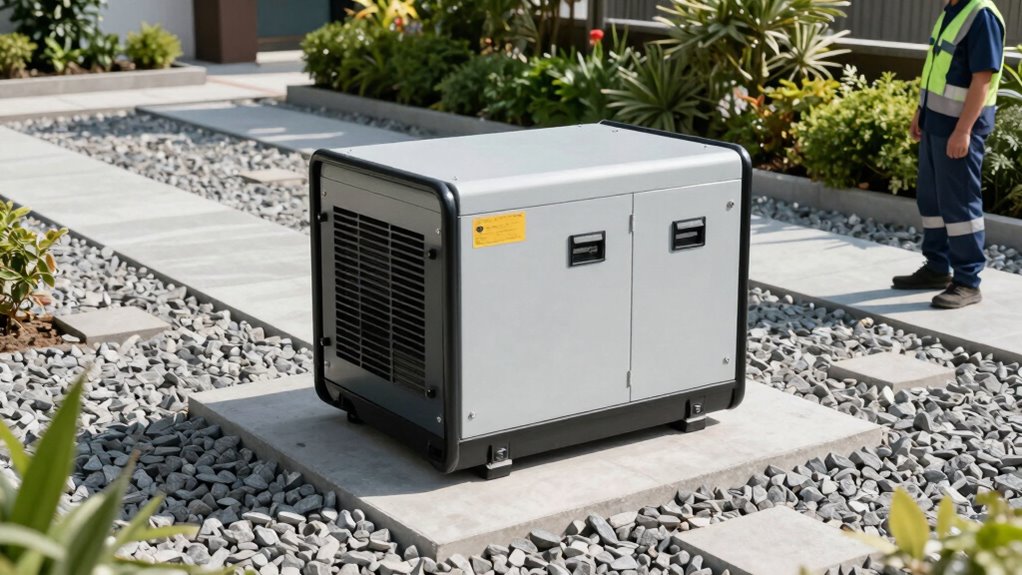
After confirming you have the right safety gear in place, it’s important to regularly inspect and maintain your generator’s placement. Check the generator fuel system for leaks or corrosion, which can be safety hazards and affect performance. Verify the unit remains on a stable, level surface to prevent vibrations that could shift its position. Regularly assess noise reduction measures, such as barriers or enclosures, to keep noise levels safe and manageable. Inspect the exhaust and ventilation areas to prevent buildup of fumes and ensure proper airflow. If you notice any signs of wear or displacement, correct them immediately. Consistent inspections help prevent accidents, keep your workspace safe, and ensure your generator functions efficiently without poisoning the environment or workflow.
Wrapping Up: Key Tips for Safe and Effective Generator Placement
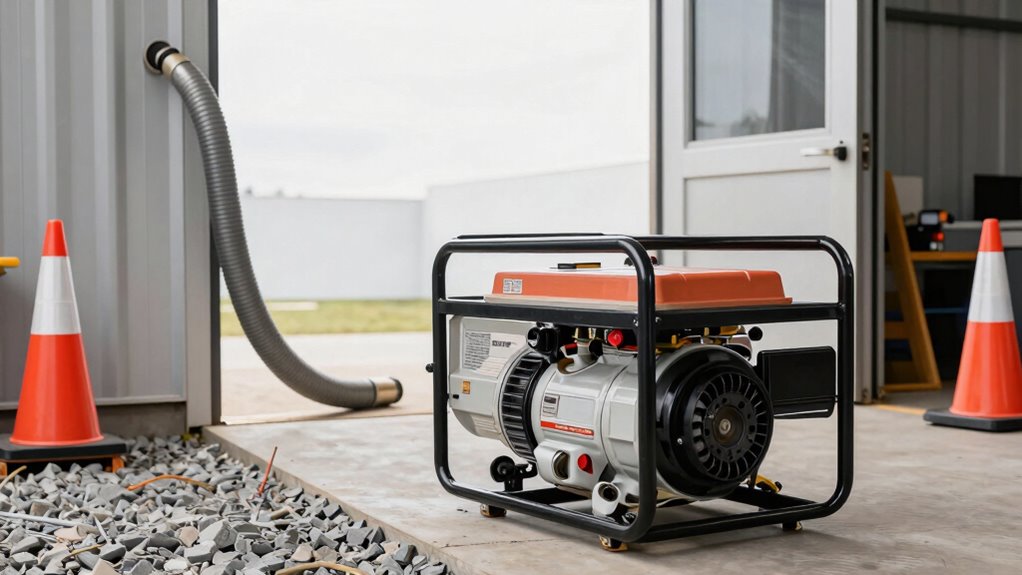
Ensuring your generator is placed safely and effectively requires paying close attention to a few essential tips. Proper placement enhances emergency preparedness and minimizes noise pollution. To wrap up, remember these key points:
- Keep the generator outdoors, away from windows to prevent fumes and ensure safety.
- Choose a flat, stable surface to avoid accidental movement or tipping.
- Maintain adequate distance from living spaces to reduce noise and fumes.
- Use noise reduction barriers or enclosures to lessen sound levels.
- Regularly inspect your setup to ensure ventilation and safe operation.
Following these tips helps protect your workflow, promotes safety, and reduces environmental impact. Proper placement isn’t just about compliance; it’s about creating a safer, quieter environment during emergencies or routine use.
Frequently Asked Questions
Can I Place My Generator on Uneven or Sloped Terrain Safely?
You can place your generator on uneven or sloped terrain if you prioritize proper generator positioning and terrain stability. Use a sturdy, level surface or an appropriate pad to guarantee stability. Avoid placing it on loose soil or unstable ground, which can cause tipping or damage. Always secure the generator with braces or pads if needed, and keep it away from water sources and vents to maintain safety and efficiency.
What Are the Environmental Considerations for Outdoor Generator Placement?
When placing your outdoor generator, consider emission control to minimize air pollution and protect the environment. Position it away from vents, windows, and air intakes to prevent harmful fumes from entering indoor spaces. Also, think about noise reduction by choosing a location shielded by natural barriers or using soundproof enclosures. Guarantee proper ventilation and maintain a safe distance from wildlife and water sources to lessen environmental impact.
How Does Nearby Vegetation Affect Generator Safety and Operation?
Nearby vegetation is like a tinderbox, and it can pose a serious fire hazard if not managed properly. You should clear vegetation around your generator to prevent sparks from igniting dry leaves or branches. Vegetation clearance reduces the risk of fire and guarantees safe operation, especially in dry seasons. Keep plants at a safe distance, and routinely trim surrounding greenery to maintain a clear, hazard-free zone for your generator.
Are There Specific Local Regulations for Generator Placement?
Yes, local regulations often specify rules for generator placement, especially regarding noise control and fuel storage. You should check your city or state codes to guarantee compliance. Typically, regulations require placing generators away from windows, vents, and neighboring properties to minimize noise disruptions. Additionally, proper fuel storage is essential, often demanding secure, ventilated containers and designated areas to prevent fire hazards and environmental contamination. Always follow these rules to ensure safe, legal operation.
How Do I Prevent Pests or Animals From Damaging My Generator?
To prevent pests or animals from damaging your generator, use pest deterrents like motion-activated lights or repellents around the area. Implement animal proofing measures such as sturdy fencing or metal barriers to keep critters out. Regularly inspect the site for signs of pests, and clear away any debris or nesting materials. These steps help protect your generator from damage and guarantee it runs smoothly without unwanted animal interference.
Conclusion
Remember, placing your generator safely isn’t just about avoiding hazards—it’s about painting a clear path through potential dangers. Picture your setup as a well-guarded fortress, where proper placement shields you from harmful fumes and power outages alike. By choosing the right spot, maintaining ventilation, and using safety equipment, you’re constructing a fortress of safety around your workflow. Keep these tips in mind to guarantee your power supply remains steady and your safety, uncompromised.