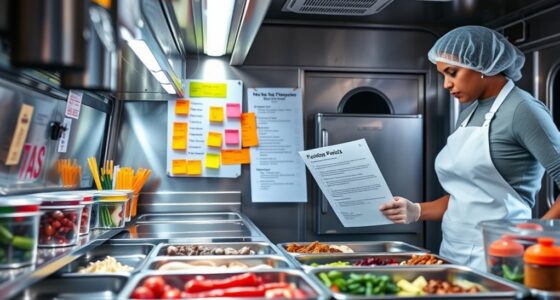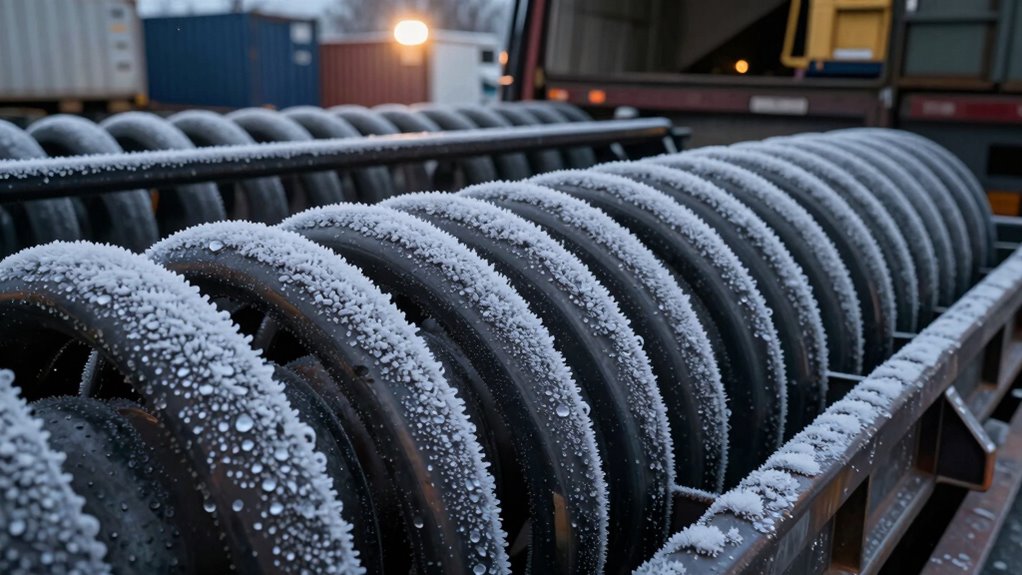
Ignoring proper cold chain management on busy trucks quietly puts food safety at risk. If you neglect regular temperature checks, forget to maintain equipment, or overlook signs of failure like frost or warm spots, bacteria can grow quickly. These small mistakes can lead to contamination and unsafe food, especially during hectic trips. Stay alert and proactive—there’s more to discover about how to prevent these silent but serious issues and keep your cold line secure.
Key Takeaways
- Inconsistent temperature monitoring allows undetected temperature spikes, increasing bacterial growth risks during transit.
- Neglecting regular cold line maintenance causes equipment failures and temperature fluctuations, jeopardizing food safety.
- Lack of real-time tracking and alerts delays response to cold chain breaches, risking spoilage and contamination.
- Poor loading practices and damaged seals create cold spots and temperature breaches, compromising perishable food quality.
- Insufficient staff training on cold chain protocols leads to delayed reactions to temperature deviations, endangering food safety.
Understanding Cold Lines and Food Safety
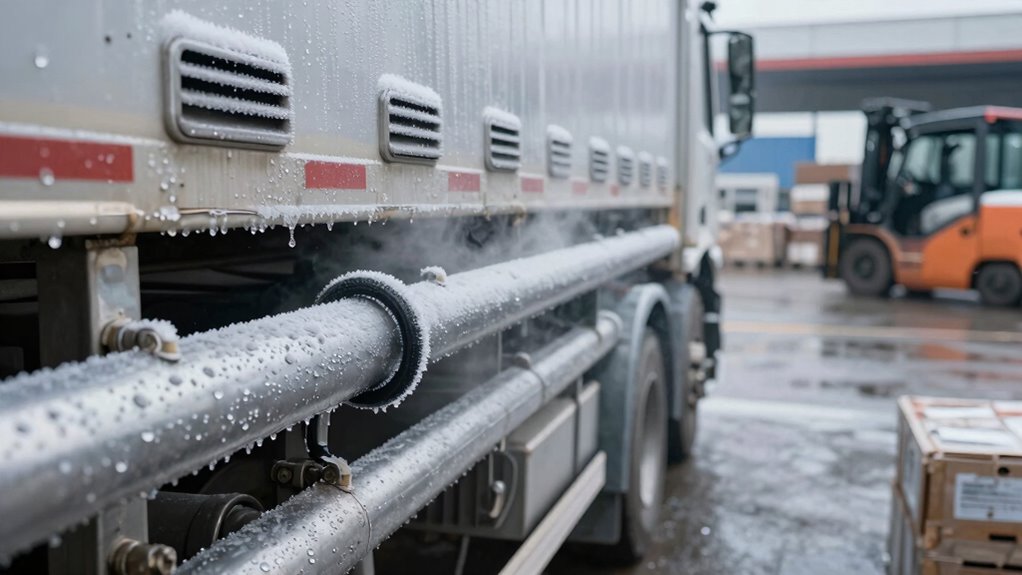
Understanding cold lines and food safety is essential for maintaining product quality and preventing foodborne illnesses. The cold chain is critical in ensuring perishable items stay at safe temperatures from loading to delivery. Cold lines, the designated temperature zones within trucks, help preserve food and prevent spoilage. Properly managing these cold lines guarantees effective food preservation, reducing bacterial growth and extending shelf life. When the cold chain is broken or cold lines aren’t maintained properly, food safety risks increase markedly. Consistent temperature control throughout transportation protects consumers and upholds industry standards. Regular temperature monitoring and maintenance of cold lines are vital practices to ensure the integrity of the cold chain. Recognizing cold chain disruptions promptly can make a significant difference in preventing contamination. Implementing advanced refrigeration technology can further enhance the stability and reliability of cold lines during transit. Ensuring proper loading procedures also supports the maintenance of cold line integrity, minimizing the risk of temperature fluctuations. Maintaining cold line integrity is also supported by industry regulations, which set standards for temperature control during transport. Your attention to cold chain integrity directly impacts the safety and quality of the food you transport.
Common Mistakes That Compromise Cold Line Safety
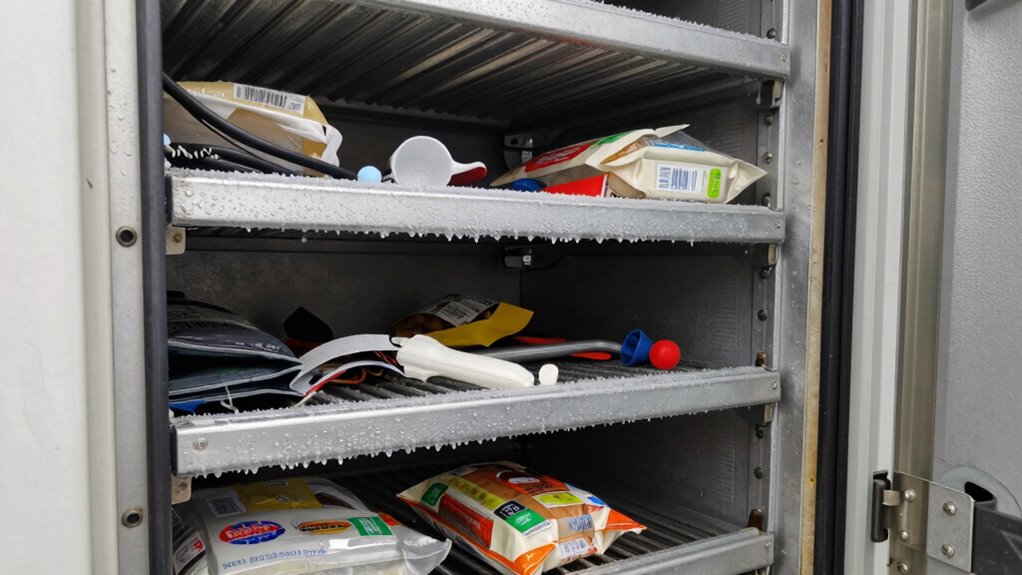
One common mistake is failing to monitor temperatures consistently, which can lead to unsafe food conditions. Additionally, neglecting regular line maintenance can cause temperature fluctuations and equipment failures. These errors compromise cold line safety and increase the risk of foodborne illnesses. A lack of regulatory compliance can also contribute to overlooked issues and unsafe practices. Incorporating proper temperature management practices can help prevent these issues and promote safer food handling. Regular inspections and adherence to food safety standards are essential for maintaining optimal cold line conditions. Ensuring that staff are properly trained on cold chain protocols can further reduce the likelihood of dangerous temperature deviations. Moreover, implementing continuous monitoring systems can provide real-time alerts to prevent temperature breaches.
Improper Temperature Monitoring
Have you ever overlooked checking the temperature during a truck’s transit? If you don’t monitor temperatures properly, you risk breaking the cold chain, which is critical for food safety. Without regular checks, you might miss a temperature breach that allows bacteria to grow, increasing the risk of contamination. Relying on outdated methods or ignoring real-time data can lead to unsafe conditions. Proper temperature monitoring involves using calibrated devices and recording data consistently. When you neglect this step, even a small fluctuation can compromise the safety of perishable goods. Maintaining strict oversight ensures that food stays within safe temperature ranges throughout transit, preventing spoilage and protecting consumer health. Consistent monitoring is essential for maintaining the integrity of the cold line and ensuring food safety during transit. Don’t let improper monitoring undermine your cold line’s integrity.
Inadequate Line Maintenance
Are you ensuring that all components of your cold line are properly maintained? Inadequate line maintenance can lead to temperature breaches and food safety risks. Regularly check container sealing to prevent contamination and temperature fluctuations. Keep your route optimized to reduce transit times and maintain consistent cooling. Failing to do so can cause cold spots or temperature spikes that compromise safety. Also, inspect refrigeration units and door seals for damage or wear, which can allow warm air in. Proper maintenance isn’t just about equipment; it’s about ensuring every link in your cold chain is reliable. Remember, neglecting routine upkeep can have costly consequences, affecting product quality and consumer safety. Staying proactive with container sealing and route optimization keeps your cold line secure and compliant.
How to Recognize Cold Line Failures During Transit
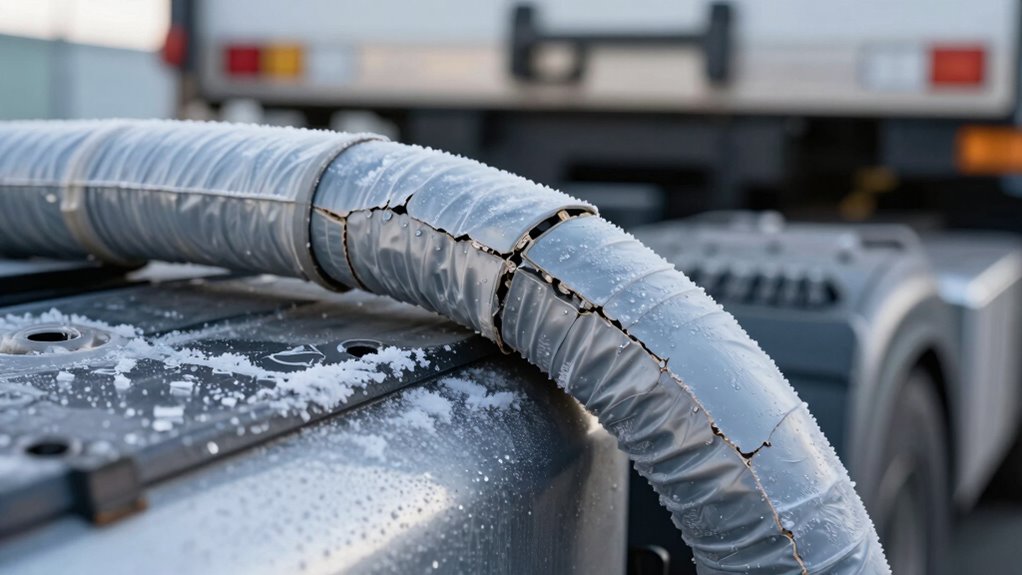
You need to watch for signs of temperature fluctuations, like unexpected warm spots or inconsistent readings. Make sure your monitoring equipment is working properly and providing accurate data. Recognizing these indicators early helps prevent cold line failures during transit. Regularly calibrate your sensors to ensure accurate temperature readings and maintain optimal product quality. Additionally, implementing early warning systems can provide real-time alerts for temperature deviations, allowing for swift corrective actions. Proper piercings care and hygiene practices can also prevent infections that might compromise the safety of your supplies.
Signs of Temperature Fluctuations
Temperature fluctuations during transit can be subtle, but recognizing their signs is crucial for food safety. When cold line integrity is compromised, even minor changes can threaten food quality and safety. Look for these signs:
- Unexpected temperature readings on your monitoring devices, indicating cold line failure.
- Ice buildup or melting inside the trailer, showing inconsistent temperatures.
- Condensation or frost on food packaging, which suggests temperature swings.
- Implementing fireproof storage techniques can help protect sensitive cargo during unexpected emergencies or system failures.
Pay close attention to these cues, as they can signal that your cold line isn’t maintaining proper temperatures. Early detection helps prevent food safety issues and ensures that the cold chain remains intact. Staying vigilant about these signs is key to safeguarding both the quality of the cargo and public health.
Monitoring Equipment Effectiveness
Monitoring equipment plays a critical role in detecting cold line failures during transit, as it provides real-time data on temperature conditions inside the trailer. To guarantee the integrity of the cold chain, you need reliable sensors and data loggers that accurately track temperature fluctuations. Regularly verify that your monitoring devices are functioning correctly and calibrate them as recommended. Look for alarms or alerts that signal deviations from set temperature ranges, indicating potential failures. Review data logs frequently to spot patterns or sudden spikes that suggest cold line issues. Effective monitoring helps you respond quickly to failures, preventing compromised food safety. Remember, maintaining strict temperature control is essential throughout transit to protect product quality and comply with safety standards. Additionally, ensuring your monitoring equipment is properly maintained can prevent unnoticed failures and improve overall reliability. Proper calibration and temperature tracking are essential for accurate readings and reliable alerts. Incorporating advanced monitoring technology can further enhance your ability to detect issues promptly. Staying vigilant with regular equipment checks can also help identify early signs of malfunction before they lead to cold line failures.
Best Practices for Maintaining Cold Line Safety
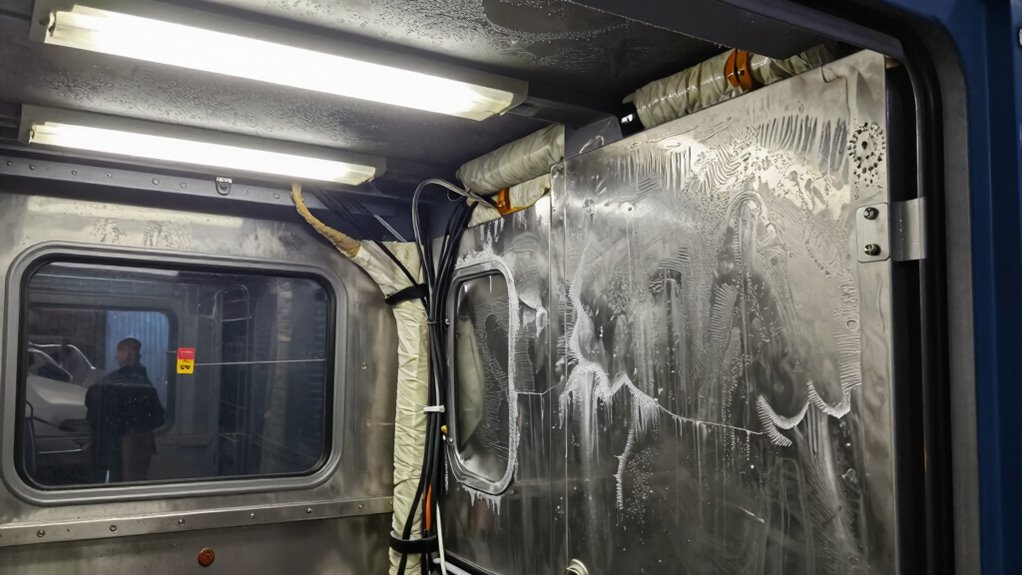
Maintaining cold line safety requires diligent attention to proper procedures and consistent practices. To preserve the integrity of the cold chain and prevent food spoilage, you must monitor temperatures regularly and respond quickly to any deviations. Make certain your refrigeration units are functioning properly and keep logs of temperature checks. Proper loading techniques also prevent hot spots that can compromise food safety. Keeping the cold line intact is vital to avoiding food quality issues and regulatory violations. Additionally, understanding accessibility features can help staff efficiently manage safety protocols during busy periods. Regular temperature monitoring is essential to quickly identify and address issues before they impact food safety. Implementing simple exercises to train staff on these protocols can further enhance overall safety. Incorporating knowledge about electric power generation and ensuring backup systems are in place can also help maintain consistent refrigeration during power fluctuations. Being aware of power outage procedures can minimize disruptions to the cold chain during unexpected outages.
Tools and Tech for Monitoring Cold Line Temperatures
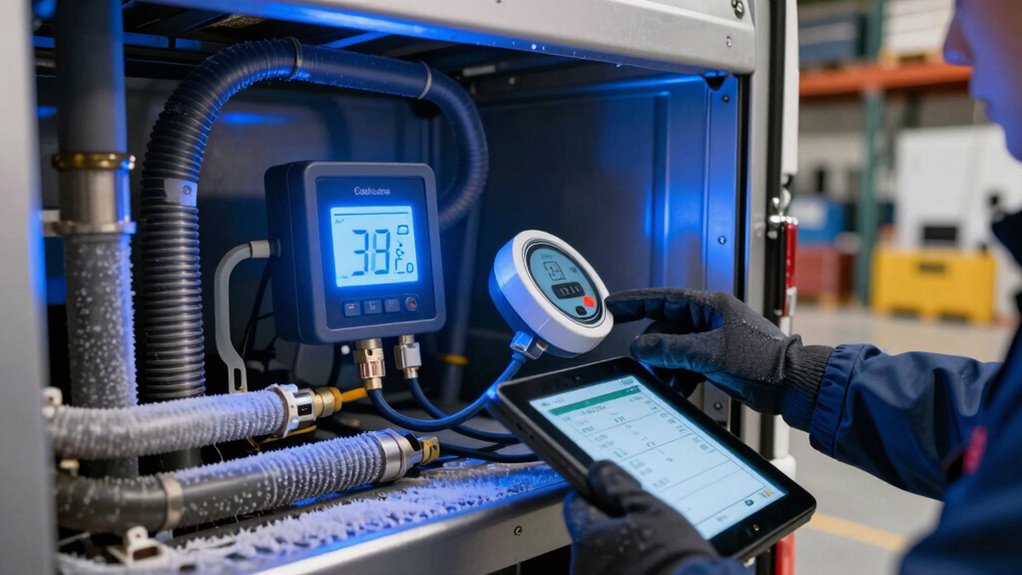
Effective tools and technology make it easier to keep cold line temperatures within safe limits. Digital temperature monitors, sensors, and real-time tracking systems help you uphold the integrity of the cold chain. These devices alert you immediately if temperatures drift outside safe ranges, preventing contamination and spoilage. For food packaging, integrated temperature loggers ensure compliance and traceability. Incorporating wall art trends like interactive murals displaying real-time temperature data can also enhance visibility and accountability.
Training Drivers to Detect and Prevent Cold Line Failures
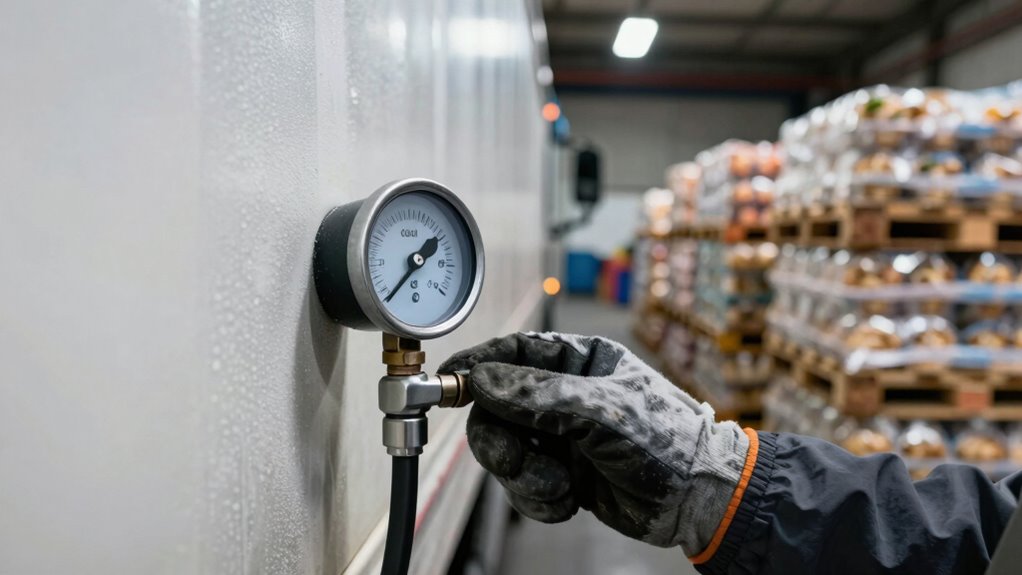
To prevent cold line failures, you need to equip your drivers with the skills to recognize early warning signs and respond promptly. Proper training helps them understand the importance of maintaining proper temperatures, ensuring food safety compliance during food safety audits. Focus on teaching drivers how to identify issues like inconsistent cooling, unusual noises, or temperature fluctuations. Reinforce the need for regular temperature checks and immediate reporting of problems.
- Conduct refresher courses on cold line operation and troubleshooting
- Use real-world scenarios to reinforce quick response strategies
- Emphasize documentation for regulatory compliance and audit readiness
What to Do When Cold Line Problems Occur
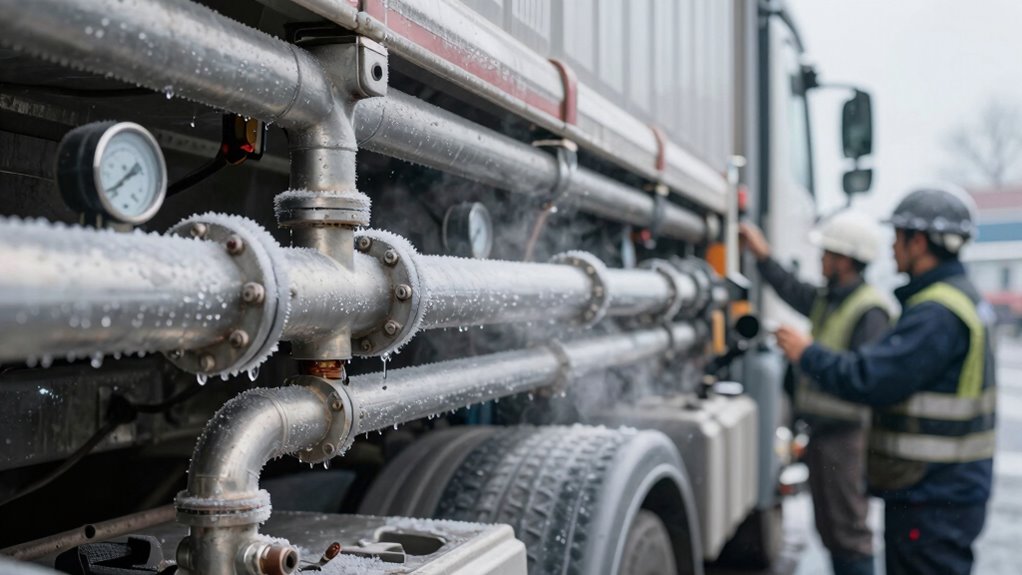
When cold line problems occur, quick and decisive action is vital to prevent food safety risks and product spoilage. First, immediately isolate the affected products to prevent contamination from spreading through the cold chain. Check temperature logs and verify if the cold line has dropped below safe thresholds. If you identify a malfunction, notify maintenance right away and follow your company’s protocol for halting the flow of temperature-sensitive items. Keep detailed records of the issue and actions taken. If necessary, discard any products that may have been compromised to avoid food contamination risks. Restoring the cold chain promptly is essential to maintaining food safety standards. Your swift response helps protect consumers and guarantees compliance with safety regulations.
Frequently Asked Questions
How Often Should Cold Line Inspections Be Scheduled During Transit?
You should schedule cold line inspections at least every 2 to 4 hours during transit, depending on the type of product and regulations. Consistently monitor temperatures with reliable monitoring tools and keep detailed records. Regular inspection frequency helps catch temperature fluctuations early, ensuring food safety. By maintaining strict schedules, you prevent spoilage and comply with safety standards, ultimately safeguarding both consumers and your reputation.
What Are the Legal Penalties for Cold Line Safety Violations?
You could face legal penalties if you violate cold chain integrity standards, especially when safety regulations emphasize proper temperature monitoring technology. Violations may result in hefty fines, license suspensions, or legal actions if food safety is compromised. It’s essential to maintain accurate temperature monitoring throughout transit, ensuring cold line safety. Staying compliant not only protects public health but also shields you from costly penalties and reputational damage.
How Does Cold Line Failure Impact Food Spoilage Costs?
Cold line failure acts like a sneaky thief, silently increasing food spoilage costs through temperature fluctuations. When cold lines falter, your perishable products risk rapid deterioration, leading to higher waste and replacement expenses. This breakdown hampers spoilage prevention efforts, forcing you to deal with the financial fallout of spoiled inventory. Keeping cold lines dependable ensures consistent temperature control, protecting your profits and maintaining food safety standards.
Can Cold Line Issues Affect Driver Safety and Vehicle Operation?
Cold line issues can definitely impact driver safety and vehicle operation. When temperature monitoring isn’t accurate or crew training is lacking, you risk equipment malfunctions or unsafe driving conditions. Properly maintaining cold lines guarantees ideal vehicle performance, reducing hazards like slips or spills from frozen or leaking components. Regular crew training keeps everyone aware of safety protocols, helping you prevent accidents caused by temperature-related equipment failures or mishandling.
Are There Industry Standards for Cold Line Temperature Accuracy?
Yes, there are industry standards for cold line temperature accuracy. You should rely on refrigeration technology that meets these standards, ensuring precise temperature control. Regular temperature calibration is essential to maintain accuracy and comply with safety regulations. By consistently calibrating your equipment, you prevent cold line issues that could compromise food safety. Staying updated with industry guidelines helps you keep temperatures within safe ranges, protecting both your cargo and your reputation.
Conclusion
To keep food safe, you must stay vigilant, monitor consistently, and act quickly. Recognize the signs of failure, prevent mistakes before they happen, and respond promptly when issues arise. Maintain awareness, follow best practices, and leverage technology to guarantee cold lines stay reliable. Your diligence protects consumers, preserves quality, and upholds your reputation. In cold line safety, awareness, preparation, and action aren’t just recommended—they’re essential.