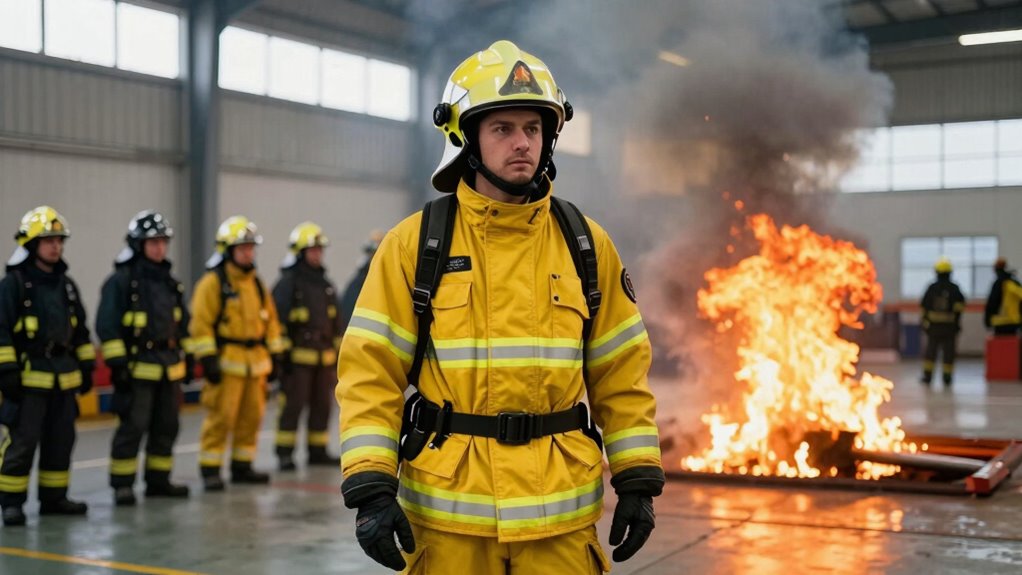

You should repeat fire safety training before busy seasons because it keeps your team sharp, confident, and ready to respond quickly in emergencies. Regular practice helps reinforce evacuation procedures, hazard identification, and safety culture, especially when risks like distractions and equipment use increase. Staying updated guarantees everyone understands current safety protocols and regulations. Keep emphasizing safety, so your team stays prepared—that way, you’ll be ready for anything. The more you learn about this, the better equipped you’ll be.
Open a free Amazon Business account
Business pricing, bulk buying and tax-exempt orders.
As an affiliate, we earn on qualifying purchases.
Key Takeaways
- Reinforces emergency procedures to ensure quick, confident responses during high-pressure busy periods.
- Maintains staff awareness of hazards that increase during peak seasons, reducing accident risks.
- Keeps safety protocols fresh, preventing complacency amid increased workload and distractions.
- Ensures compliance with regulations, avoiding penalties and legal issues during busy times.
- Promotes a safety-first culture that supports open communication and continuous safety improvements.
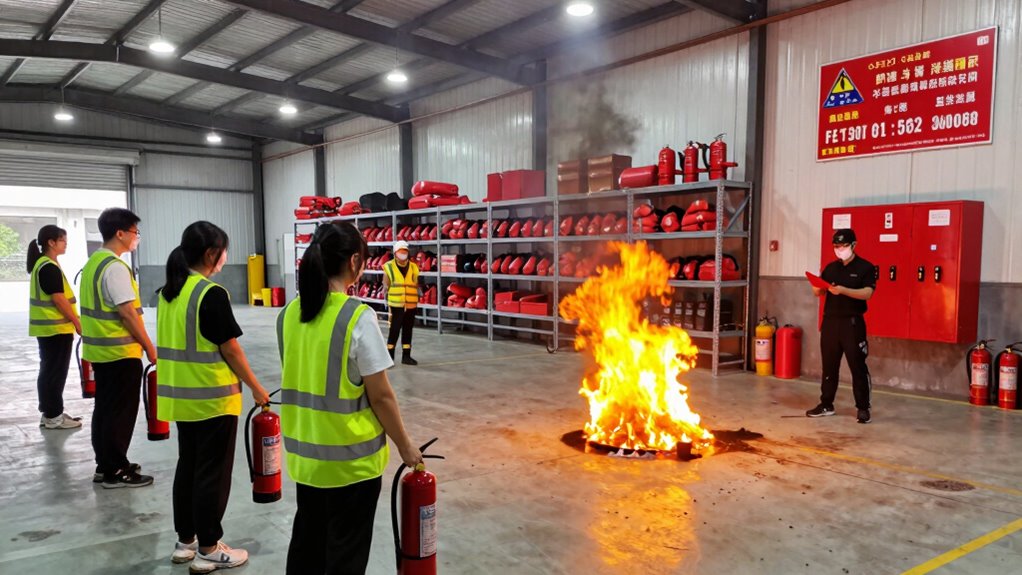
Have you ever wondered why fire safety training needs to be repeated regularly? It’s because safety is not a one-and-done task; it’s an ongoing process that requires refreshers to keep everyone prepared. As your workplace prepares for a busy season, this becomes even more essential. During peak periods, the risk factors increase—more people, more equipment, and often, more distractions. Regular training ensures you’re sharp and ready to act confidently in emergencies.
One of the key reasons to revisit fire safety training is to reinforce evacuation procedures. Even if your team has been through training before, the details can fade over time. When chaos hits, you need to act swiftly and correctly. Repetition helps solidify the plan in everyone’s mind, so in an actual emergency, you don’t have to second-guess your actions. It also provides an opportunity to clarify any uncertainties, answer questions, and guarantee everyone understands their specific roles. Whether it’s knowing the nearest fire exits, how to use fire extinguishers, or how to assist someone with mobility challenges, clear evacuation procedures are essential for safety.
Another necessary aspect of fire safety training is hazard identification. When you revisit training regularly, you sharpen your ability to spot potential fire hazards before they become emergencies. During busy seasons, clutter, overloaded circuits, or malfunctioning equipment are more likely to go unnoticed as staff focus on meeting deadlines. Repeating hazard identification drills trains you to remain vigilant and proactive. You learn to recognize risks such as blocked exits, improper storage of flammable materials, or faulty wiring. This awareness can prevent fires from igniting and spreading, saving lives and property. Additionally, understanding the importance of regular safety updates helps ensure that your team stays informed about evolving risks and safety techniques. Incorporating ongoing safety education into your routine further reinforces a safety-conscious environment. Moreover, staying updated on fire safety standards and regulations ensures compliance and reduces legal risks. Regular training also enhances the team’s ability to adapt to new fire safety equipment or procedures that may be introduced.
Furthermore, ongoing training keeps safety at the forefront of everyone’s mind, fostering a safety-first culture. When employees see that management prioritizes regular updates, they’re more likely to stay engaged and responsible. This culture encourages open communication about hazards and continuous improvement of safety procedures. It also helps you stay current with any changes in regulations or new safety equipment, guaranteeing your team isn’t caught off guard.
Additionally, fire safety education can help ensure compliance with safety regulations and standards, avoiding potential legal issues and penalties.
In short, repeating fire safety training before busy seasons isn’t just about ticking boxes; it’s about maintaining a high level of preparedness. Reinforcing evacuation procedures and hazard identification skills ensures everyone knows what to do and can act confidently under pressure. This proactive approach minimizes risks, protects lives, and keeps your operations running smoothly even during the most hectic times.
As an affiliate, we earn on qualifying purchases.
Frequently Asked Questions
How Often Should Fire Safety Training Be Repeated Annually?
You should repeat fire safety training annually to maintain fire safety awareness and guarantee everyone stays prepared. Regular training refreshers help reinforce safety procedures, update staff on new risks, and keep skills sharp. By doing this once a year, you reduce fire hazards and ensure your team responds confidently in emergencies. Consistent training refreshers also demonstrate your commitment to safety, fostering a safer environment for everyone during busy seasons and beyond.
What Are the Costs Associated With Repeated Fire Safety Training?
Are the costs of training refreshers worth the safety benefits? Repeating fire safety training involves expenses like instructor fees, materials, and employee time, but a thorough cost analysis shows these are investments in preventing costly fires and injuries. While there’s an upfront cost, the long-term savings from reduced risks and liability often outweigh these expenses. Regular refreshers guarantee everyone stays prepared, minimizing potential damage and downtime.
Can Online Training Replace In-Person Fire Safety Drills?
Online training can’t fully replace in-person fire safety drills because virtual simulations lack the hands-on practice needed for real-life scenarios. While online courses effectively teach fire safety concepts, they don’t offer the tactile experience that prepares you to respond confidently during an actual emergency. In-person drills allow you to practice using fire extinguishers and evacuate safely, making them essential for complete fire preparedness.
How Do You Measure the Effectiveness of Repeated Training Sessions?
You measure the effectiveness of repeated fire safety training sessions through evaluation methods like quizzes, practical drills, and observation. These help assess knowledge retention and skill improvement over time. By comparing results from before and after training, you can identify areas needing reinforcement. Consistent assessment ensures your team maintains high preparedness levels, especially before busy seasons, reducing fire risks and enhancing overall safety.
What Legal Requirements Exist for Fire Safety Training Frequency?
Fire safety regulations typically mandate that you provide training at regular intervals, often annually or semi-annually, to guarantee legal compliance. You must keep records of these sessions to demonstrate adherence to local laws and standards. Staying up-to-date with evolving regulations is vital, so you should review and update your fire safety training schedule regularly. Failing to meet these legal requirements can result in penalties and increased risk during busy seasons.
As an affiliate, we earn on qualifying purchases.
Conclusion
Repeating fire safety training before busy seasons keeps your team prepared and confident. Did you know that employees who undergo regular safety drills are 50% more likely to respond effectively during emergencies? By revisiting safety protocols, you guarantee everyone stays sharp and ready to act quickly. Don’t let complacency put your workplace at risk—schedule that refresher training and keep safety top of mind when it matters most.
As an affiliate, we earn on qualifying purchases.
hazard identification training course
As an affiliate, we earn on qualifying purchases.
As an affiliate, we earn on qualifying purchases.
NFL season / tailgating Picks
team gear
As an affiliate, we earn on qualifying purchases.