
Effective waste disposal and recycling logistics are crucial for safely managing increasing waste volumes from communities and industries. You’ll need specialized containers, secure transportation, and route planning to prevent leaks and spills. Incorporating advanced recycling technologies, like chemical, thermal, or physical methods, can transform hazardous waste into helpful materials or energy. By understanding these strategies, you can improve waste safety, regulatory compliance, and sustainability — and discover even more ways to optimize your waste management practices.

Get kitchen staples and gadgets delivered free with Prime
- Fast, free delivery on millions of items
- Prime Video, Amazon Music and more included
- Member-only deals all year
Key Takeaways
- Implement specialized containers and vehicles to ensure safe collection, transportation, and storage of hazardous waste.
- Use route optimization to minimize exposure risks and ensure timely delivery to recycling or disposal facilities.
- Incorporate advanced recycling technologies like chemical, thermal, and physical methods to improve waste processing efficiency.
- Establish partnerships with certified disposal centers and maintain tracking systems for compliance and transparency.
- Design logistics systems that prioritize environmental safety, compliance, and integration of innovative recycling techniques.
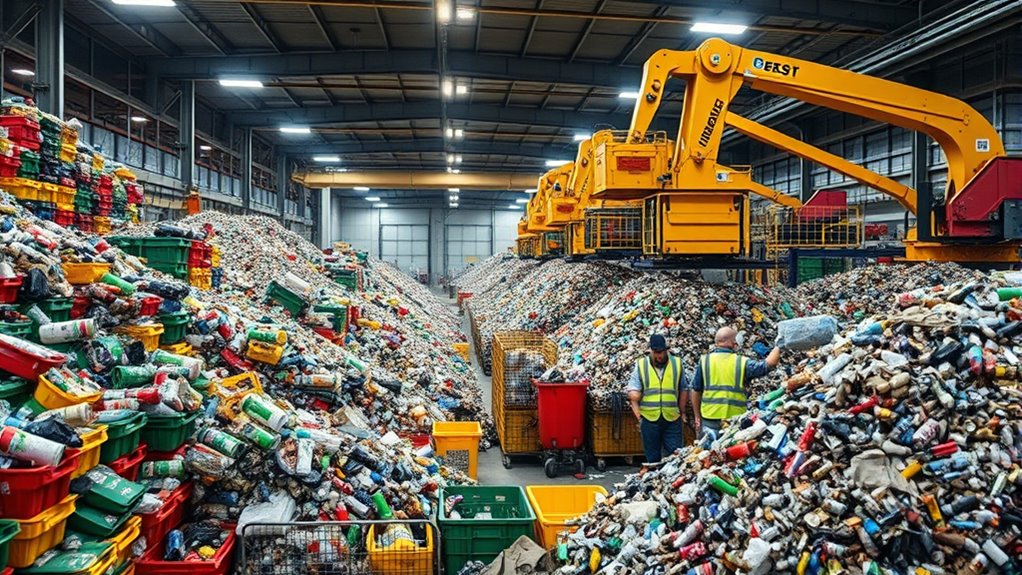
Effective waste disposal and recycling logistics are essential for managing the growing volumes of waste generated by communities and industries. As waste piles up, especially hazardous waste, your approach to handling it must be both efficient and safe. Hazardous waste, which includes chemicals, medical waste, and other dangerous materials, requires special attention. Improper disposal can lead to environmental contamination and health risks, so your logistics system must prioritize safety protocols and compliance with regulations. This is where recycling technologies come into play. Advanced recycling technologies enable you to process hazardous waste more effectively, reducing the amount that ends up in landfills or incinerators. These technologies include chemical treatment, thermal processing, and physical separation techniques, all designed to neutralize or recover valuable materials from hazardous waste streams.
Effective waste management relies on advanced recycling technologies to process hazardous waste safely and efficiently.
You need to stay updated on the latest recycling technologies because they directly impact your ability to manage waste responsibly. For instance, chemical recycling can break down complex hazardous materials into less harmful components, making them easier to dispose of or reuse. Thermal processing, such as pyrolysis or gasification, transforms waste into energy or raw materials, minimizing environmental impact. Physical separation methods help in isolating hazardous substances from non-hazardous waste, streamlining the recycling process and reducing contamination. By integrating these advanced technologies into your logistics plan, you can enhance safety, improve recycling rates, and comply with environmental standards.
Your logistics system must also be designed to handle the unique challenges of hazardous waste. This involves secure collection, proper storage, and efficient transportation. You should use specialized containers and vehicles that prevent leaks and spills. Route planning becomes critical to minimize exposure risk and ensure timely delivery to treatment facilities. Partnering with certified disposal and recycling centers that utilize cutting-edge technologies ensures that hazardous waste is managed responsibly. Additionally, tracking and documentation are indispensable to maintaining compliance and transparency, especially given the strict regulations surrounding hazardous waste.
Incorporating recycling technologies into your waste management plan not only helps in reducing environmental hazards but also promotes sustainability. When you prioritize safe disposal methods and leverage innovative recycling methods, you contribute to a healthier environment and community. This approach also enhances your reputation as a responsible organization committed to environmental stewardship. Ultimately, combining effective logistics with advanced recycling technologies allows you to manage waste more efficiently, reduce risks, and support sustainable practices in waste disposal.
Frequently Asked Questions
How Can I Reduce Waste Generation at My Facility?
To reduce waste generation at your facility, focus on source reduction and waste minimization strategies. You can start by optimizing processes to use fewer materials, switching to reusable or recyclable supplies, and encouraging employees to be mindful of waste. Implementing efficient inventory management and redesigning products or packaging also help. Regular training and awareness promote sustainable practices, ultimately decreasing your facility’s waste output and environmental impact.
What Are the Latest Innovations in Recycling Technology?
You can leverage the latest innovations like automated sorting systems to increase efficiency and accuracy in recycling. Chemical recycling is also advancing, allowing you to process plastics back into raw materials, reducing waste. These technologies help you maximize resource recovery, cut down on landfill use, and support sustainability efforts. By adopting automated sorting and chemical recycling, you guarantee your facility stays at the forefront of eco-friendly waste management.
How Do Regulations Vary Between Regions for Waste Disposal?
You’ll notice regional compliance and policy differences shape waste disposal rules. In some areas, strict regulations mandate specific recycling procedures, while others have more lenient standards. These variations influence how you sort waste, dispose of hazardous materials, and follow local guidelines. Staying aware of regional policies guarantees you meet legal requirements, avoid penalties, and contribute effectively to sustainable waste management practices. Regional differences make waste disposal a dynamic, localized effort.
What Training Is Needed for Staff Handling Hazardous Waste?
You need hazardous waste certification to handle such materials safely. Your training should cover proper PPE requirements, like gloves, goggles, and respirators, to protect against exposure. You’ll learn how to identify hazardous waste, follow proper storage and disposal procedures, and respond to spills or accidents. Ongoing education guarantees you stay updated on safety protocols and regulations, helping you handle hazardous waste responsibly and prevent environmental or health risks.
How Can Data Analytics Improve Waste Management Efficiency?
You can improve waste management efficiency through data analytics by leveraging predictive modeling to forecast waste generation patterns, enabling better planning and resource allocation. Additionally, data visualization helps you identify trends, bottlenecks, and areas for improvement quickly. By actively analyzing this data, you can optimize collection routes, reduce costs, and enhance overall sustainability efforts, making your waste management system more effective and responsive to changing needs.
Conclusion
As you manage waste disposal and recycling logistics, remember that every effort you make aligns with a bigger picture—one where small actions, like properly sorting trash, unexpectedly connect to cleaner communities and healthier environments. Sometimes, it’s the simple choices you take today that seem coincidental but actually shape a sustainable future. So, stay mindful and consistent; your responsible decisions might just be the missing piece in a puzzle no one knew was incomplete.
NFL season / tailgating Picks
team gear
As an affiliate, we earn on qualifying purchases.