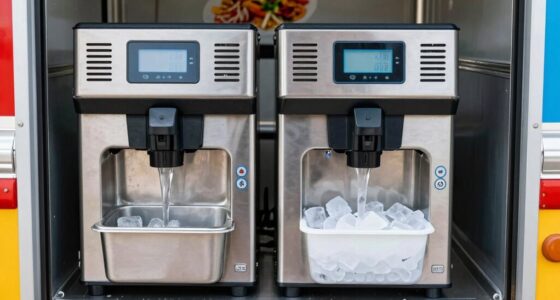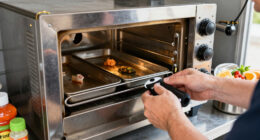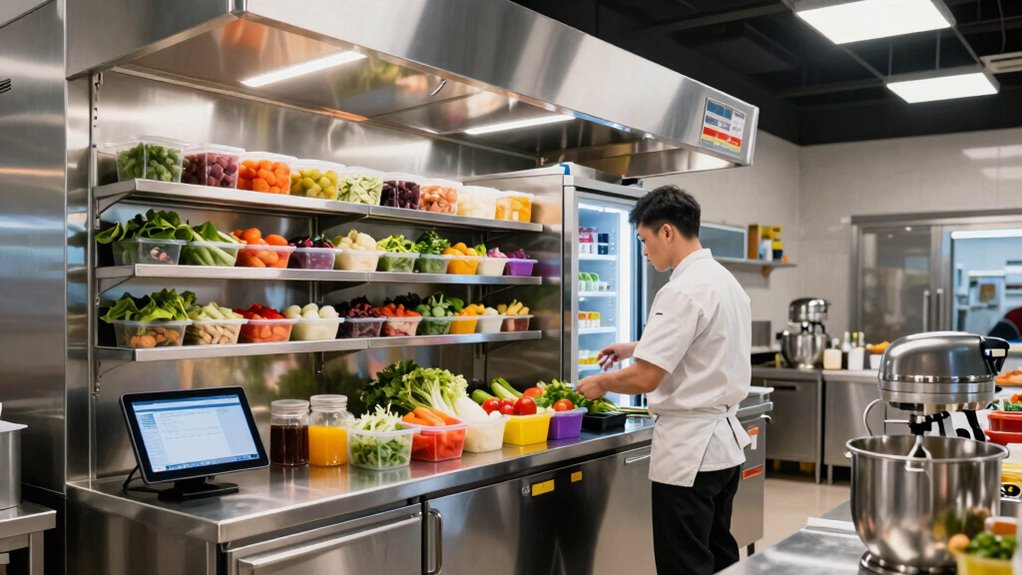
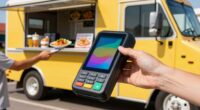
In high-volume mobile kitchens, smart restock routines use real-time data tracking to provide instant visibility of stock levels, automatically updating as items are used. You can rely on predictive analytics to forecast needs based on busy hours, seasons, and special events. Automation triggers reorder points, reducing errors and ensuring stock stays available during peak times. With technology integration, every step becomes more efficient, helping you cut costs and improve performance—continue to explore these strategies to optimize your kitchen even further.

Get kitchen staples and gadgets delivered free — and shop member deals
- Fast, free delivery on millions of items
- Access to Prime Big Deal Days deals on October 6–7
- Prime Video, Amazon Music and more included
Key Takeaways
- Real-time data tracking ensures instant inventory visibility and automatic alerts for low stock levels.
- Predictive analytics forecast demand based on historical usage, peak hours, and seasonal trends.
- Automation sets reorder points, triggering seamless purchase orders and reducing human errors.
- Continuous review and data analysis optimize restock routines and adapt to changing demand patterns.
- Technology integration streamlines inventory management, reduces waste, and maintains consistent stock levels.
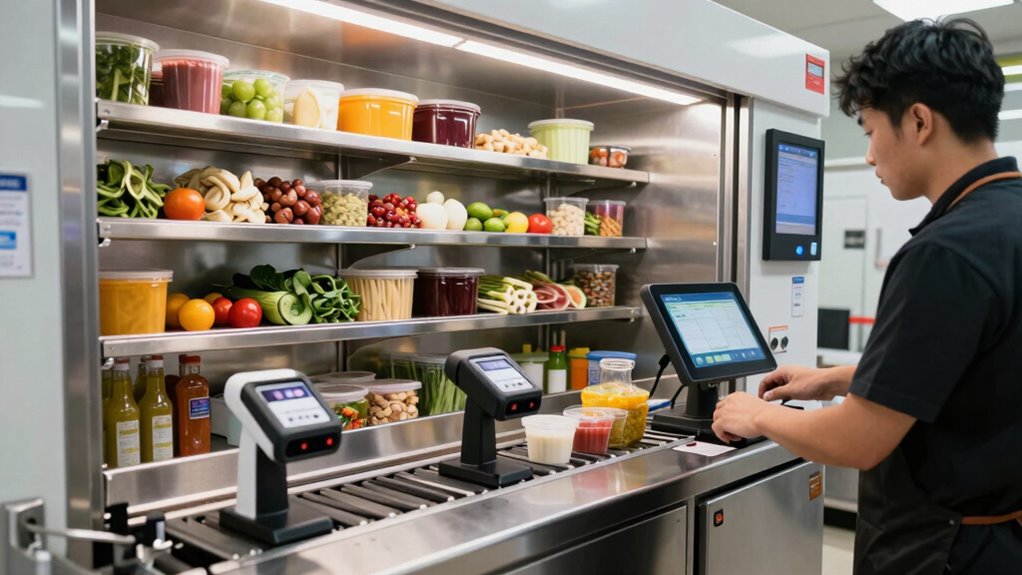
Mobile kitchens face unique challenges when it comes to maintaining stock levels, but implementing smart restock routines can streamline the process and keep operations running smoothly. In high-volume environments, effective inventory management is essential to avoid shortages or excess stock that can slow down service or lead to waste. To achieve this, you need a system that’s both reliable and adaptable, one that leverages technology integration to enhance every step of the restocking process.
Smart restock routines streamline mobile kitchen operations by leveraging technology for reliable, adaptable inventory management.
The key to successful smart restock routines lies in real-time data tracking. When you use digital inventory management tools, you gain instant visibility into stock levels across different stations or locations. These tools automatically update as items are used or replenished, allowing you to monitor inventory without manual checks. With this technology integration, you can set automatic alerts for low stock levels, making sure you’re always aware of what needs to be reordered before running out. This reduces downtime caused by stockouts and helps you plan restocking schedules more efficiently. real-time data tracking ensures that your inventory remains accurate and responsive to fluctuating demand.
Another aspect to think about is predictive ordering. By analyzing historical usage data, your inventory management system can forecast future needs based on factors like peak hours, seasonal fluctuations, or special events. This insight enables you to prepare stock levels ahead of time, avoiding last-minute rushes or overstocking. When combined with technology integration, predictive analytics become a powerful tool for maintaining ideal stock levels without overburdening your team. Additionally, this approach helps to optimize inventory levels, reducing waste and storage costs. Incorporating advanced analytics into your planning process can further refine your restock routines and adapt to changing circumstances. Using digital tools that support demand forecasting can also help anticipate supply chain disruptions, ensuring your kitchen remains well-stocked even during unforeseen events.
Automation plays a significant role in smart restock routines. You can set up automatic reorder points that trigger purchase orders without manual intervention. This means that as soon as inventory drops below a certain threshold, your system sends a request to suppliers. Automation minimizes human error, saves time, and ensures your kitchen always has what it needs to keep up with high demand. Plus, integrating these systems with your procurement process simplifies vendor communication and order tracking, further streamlining operations.
Finally, regular review and adjustments are indispensable. Even with advanced technology, you need to analyze your data periodically. Look for patterns, identify bottlenecks, and refine your restock routines accordingly. This continuous improvement loop helps you adapt to changing demand, improve accuracy, and maximize efficiency. Incorporating digital tools and data analytics into your inventory management allows for more precise control and better decision-making, ensuring your mobile kitchen can operate seamlessly, meet customer expectations, and stay ahead of inventory challenges.
inventory management system for mobile kitchens
As an affiliate, we earn on qualifying purchases.
As an affiliate, we earn on qualifying purchases.
Frequently Asked Questions
How Do Smart Restock Routines Adapt to Unexpected Demand Spikes?
When demand spikes unexpectedly, you rely on demand forecasting to anticipate the surge and adjust your inventory accordingly. Supply chain agility becomes essential, allowing you to quickly source additional supplies and reroute deliveries. You monitor real-time data closely, enabling proactive restocking instead of reactive. This adaptability ensures your mobile kitchen stays well-stocked during demand spikes, maintaining service quality and customer satisfaction without delays or shortages.
What Technology Tools Are Essential for Efficient Restocking?
You need inventory forecasting tools to predict demand accurately and prevent stockouts, ensuring smooth operations. Supplier integration platforms are essential, as they enable seamless communication and automatic reordering when stock levels are low. These technologies work together, allowing you to optimize restocking routines efficiently, especially during demand spikes. By leveraging these tools, you keep your mobile kitchen running smoothly and meet customer needs without delays.
How Do Mobile Kitchens Track Inventory in Real-Time?
Think of your mobile kitchen as a living organism, with sensors acting as its heartbeat. You track inventory in real-time through digital tools that monitor stock levels constantly, ensuring inventory accuracy. These systems alert you instantly to supply chain disruptions, preventing shortages. By automating data collection and updates, you stay ahead of demand, maintaining seamless operations. This real-time insight helps you adapt quickly, keeping your kitchen running smoothly and efficiently.
What Training Is Needed for Staff on Smart Restock Systems?
You need thorough staff training on the smart restock system and its system integration to guarantee smooth operations. Focus on teaching your team how to interpret real-time data, operate inventory management tools, and respond quickly to stock alerts. Hands-on practice and ongoing support help staff become confident with the technology, reducing errors and improving efficiency, which is vital in high-volume mobile kitchens.
How Do Restock Routines Differ Between Different Types of Cuisine?
You’ll find that restock routines vary across cuisines, mainly in ingredient sourcing and recipe adjustments. For example, Mediterranean kitchens prioritize fresh produce, requiring frequent restocking and careful sourcing, while comfort food trucks may stock shelf-stable ingredients for quick recipes. You adapt routines by adjusting ingredient sourcing schedules and modifying recipes to match available ingredients, ensuring consistent quality and efficiency regardless of cuisine type.
As an affiliate, we earn on qualifying purchases.
Conclusion
By mastering these smart restock routines, you’ll turn your mobile kitchen into a well-oiled machine, running so smoothly that even a tornado couldn’t disrupt your flow! Imagine a symphony of perfectly timed replenishments, where ingredients arrive faster than lightning, and your team operates like a well-rehearsed orchestra. With these strategies, you’ll crush chaos, serve up perfection every time, and make your mobile kitchen the envy of the food world — unstoppable, unbeatable, and endlessly efficient.
automated restock system for food trucks
As an affiliate, we earn on qualifying purchases.
As an affiliate, we earn on qualifying purchases.
predictive analytics kitchen inventory
As an affiliate, we earn on qualifying purchases.
As an affiliate, we earn on qualifying purchases.
Fall Picks
fall essentials
As an affiliate, we earn on qualifying purchases.