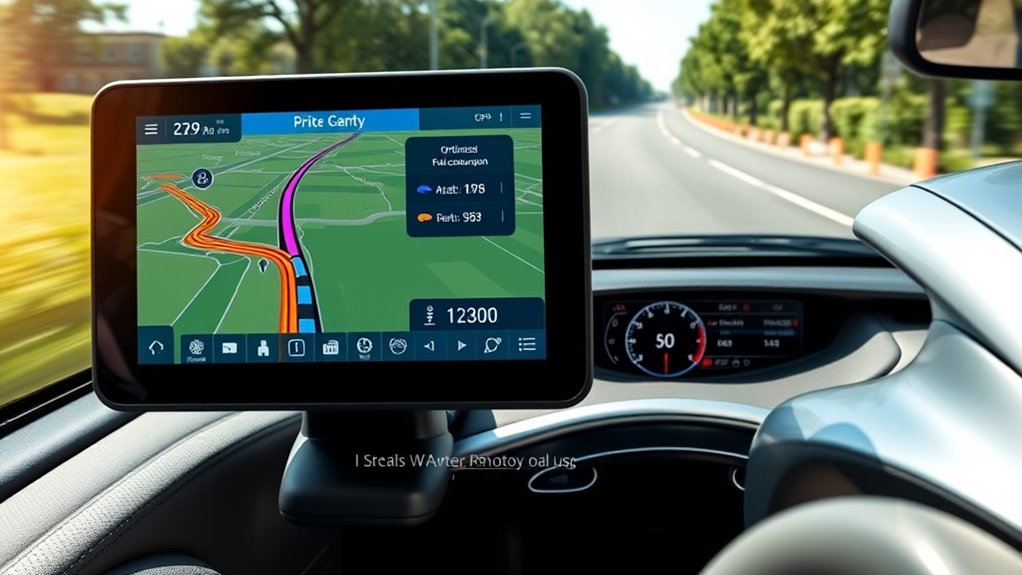

To reduce fuel consumption through efficient routing, leverage route optimization software that considers traffic, road conditions, and real-time updates. Choose smoother, less congested paths and avoid detours or construction zones. Combine this with eco driving habits like steady speeds and gradual acceleration for maximum savings. By planning smarter routes and driving efficiently, you’ll cut fuel costs and lessen your environmental impact. Keep exploring to uncover more ways to make your journeys even more efficient.

Get kitchen staples and gadgets delivered free with Prime
- Fast, free delivery on millions of items
- Prime Video, Amazon Music and more included
- Member-only deals all year
Key Takeaways
- Use route optimization software to identify the fastest, least congested paths, minimizing stop-and-go traffic that increases fuel consumption.
- Select alternative routes with fewer hills or traffic signals to maintain steady speeds and improve fuel efficiency.
- Incorporate real-time traffic data to avoid delays, detours, and construction zones that lead to unnecessary fuel use.
- Plan routes that avoid tolls or high fuel price areas to reduce overall fuel expenses.
- Combine efficient routing with eco driving techniques like smooth acceleration for maximum fuel savings.
Have you ever wondered how much fuel you could save simply by choosing smarter routes? It’s a straightforward way to cut costs and reduce your environmental impact, yet many drivers overlook it. The key lies in understanding eco driving techniques and leveraging route optimization software. These tools and practices help you plan your journeys more efficiently, ensuring you reach your destination with less fuel burned.
Eco driving techniques focus on smooth acceleration and deceleration, maintaining steady speeds, and avoiding unnecessary idling. By adopting these habits, you reduce engine strain and cut down on fuel consumption. For example, accelerating gradually and anticipating traffic flow can keep your vehicle running efficiently. Staying within ideal speed ranges, usually between 45 and 65 miles per hour, can greatly boost fuel economy. Additionally, turning off your engine during prolonged stops and removing excess weight from your vehicle helps minimize unnecessary energy expenditure.
Practice smooth acceleration, steady speeds, and avoid idling to save fuel and reduce engine strain.
However, eco driving alone isn’t enough to maximize savings. That’s where route optimization software comes into play. These programs analyze traffic patterns, road conditions, and alternative routes in real-time, helping you choose the most efficient path to your destination. By inputting your starting point and endpoint, route optimization software can suggest routes that avoid congested areas, construction zones, or steep inclines, all of which can increase fuel consumption. Many of these tools also account for factors like tolls and fuel prices, allowing you to plan not just the quickest, but the most cost-effective route.
Using route optimization software in conjunction with eco driving techniques amplifies your fuel-saving efforts. You’ll spend less time stuck in traffic or taking longer detours, and your driving habits will be more conscious and efficient. For instance, instead of taking a longer, congested route, the software might direct you through smoother, less busy streets. When you follow these suggestions, you minimize stop-and-go driving, which is notorious for wasting fuel.
Combining smarter routing with eco driving techniques is a practical way to make a real difference in your fuel expenses. It’s about making smarter choices before you even turn the key. With some planning and the right tools, you can enjoy the benefits of lower fuel bills, fewer emissions, and a more sustainable driving routine. So next time you hit the road, consider using route optimization software and practicing eco driving techniques—your wallet and the planet will thank you.
Furthermore, understanding efficient routing can help you identify patterns and opportunities to improve your overall driving efficiency.
Frequently Asked Questions
How Does Weather Impact Optimal Routing Strategies?
Weather variability substantially influences your ideal routing strategies by requiring you to adapt to changing conditions like storms, snow, or fog. Climate considerations help you plan routes that avoid extreme weather, saving fuel and ensuring safety. You should monitor weather forecasts regularly, adjusting routes accordingly to minimize delays and fuel consumption. This proactive approach helps you maintain efficiency despite unpredictable weather patterns, ultimately reducing costs and improving delivery reliability.
What Technological Tools Assist in Route Optimization?
You can use GPS tracking and advanced route planning software to optimize routes effectively. GPS tracking provides real-time location data, helping you monitor vehicle movements and avoid delays. Route planning tools analyze traffic, weather, and road conditions to suggest the most efficient paths. By leveraging these technologies, you reduce fuel consumption, improve delivery times, and increase overall operational efficiency, making your fleet more sustainable and cost-effective.
Can Route Changes Improve Safety Alongside Fuel Savings?
Changing your routes is like steering a ship away from storms—you improve safety and save fuel. When you adjust routes based on real-time data, you promote safer driver behavior and avoid hazards. Smart route planning not only reduces accidents but also minimizes stops and detours, cutting down fuel use. By proactively managing routes, you create a safer environment while maximizing efficiency, making every trip safer and more cost-effective.
How Do Traffic Patterns Influence Routing Decisions?
Traffic patterns greatly influence your routing decisions by highlighting congestion levels and flow efficiency. When traffic congestion is heavy, you should adjust route planning to avoid slowdowns, saving fuel and time. Staying updated on real-time traffic data helps you choose most effective routes, minimizing delays and reducing fuel consumption. By proactively responding to changing traffic patterns, you can enhance safety, efficiency, and cost savings during your trips.
What Are the Cost Implications of Implementing Routing Software?
Implementing routing software involves initial costs like software purchase and setup, but it can lead to significant savings through improved efficiency. You’ll need to perform fuel cost analysis to understand potential savings, and ongoing maintenance might add to expenses. Overall, the investment pays off by reducing fuel consumption, lowering operational costs, and optimizing routes, making your fleet more cost-effective in the long run.
Conclusion
By implementing efficient routing, you can considerably cut fuel consumption and save money. Some experts believe that smarter route planning not only reduces emissions but also boosts overall efficiency. While skeptics question if the savings are substantial enough to justify the effort, studies show that even small improvements in routing can lead to noticeable fuel reductions. So, try optimizing your routes—you might be surprised at how much you can save while helping the environment.
Halloween Picks
halloween
As an affiliate, we earn on qualifying purchases.