
Before buying large refrigeration equipment, you should measure its energy efficiency, including power consumption and certifications like Energy Star. Assess the total cost of ownership, factoring in initial price, maintenance, and operational costs. Make sure it meets your capacity needs and performs reliably under peak loads. Check operational features that fit your infrastructure and consider environmental impact and compliance. Keep these factors in mind, and you’ll find out how to make a smart, sustainable choice.

Get kitchen staples and gadgets delivered free with Prime
- Fast, free delivery on millions of items
- Prime Video, Amazon Music and more included
- Member-only deals all year
Key Takeaways
- Assess energy consumption and efficiency ratings to estimate ongoing operational costs.
- Evaluate total ownership costs, including purchase price, maintenance, and lifespan.
- Determine capacity and performance needs based on storage requirements and future growth.
- Review operational features, integration ease, and noise levels for facility compatibility.
- Verify compliance with industry standards and environmental regulations to ensure sustainability.
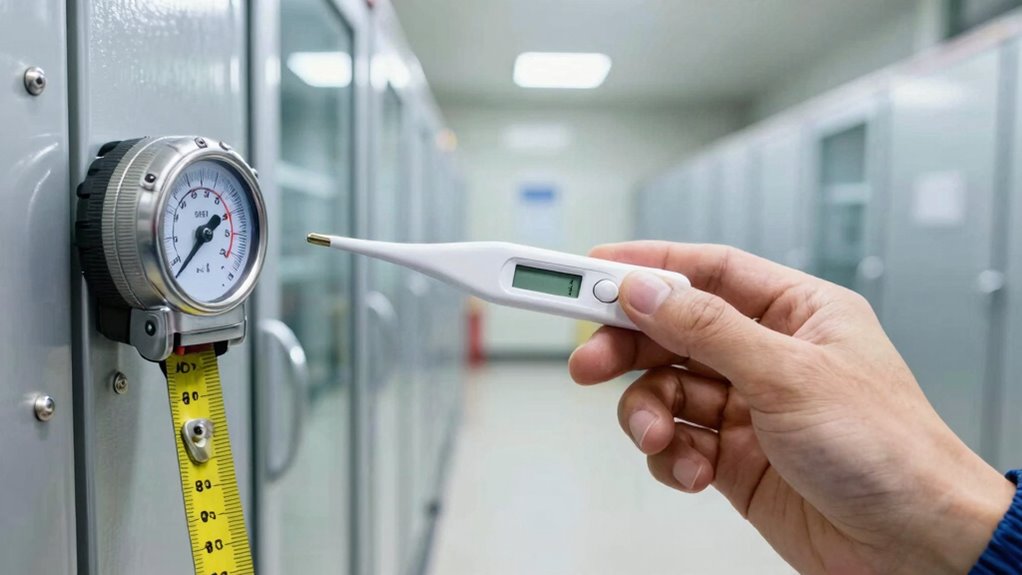
When considering the purchase of large refrigeration equipment, understanding what to measure before buying can save you time and money. Before making a decision, you need to evaluate the equipment’s energy efficiency to ensure it aligns with your operational goals and budget. Energy efficiency directly impacts ongoing operating costs, so measuring the equipment’s power consumption under typical load conditions is essential. Look for models with high Energy Star ratings or similar certifications that indicate lower energy use, which can substantially reduce your utility bills over time. Additionally, compare the energy consumption data across different units to identify the most cost-effective option without compromising performance.
Conducting a detailed cost analysis is equally important. This involves assessing not only the initial purchase price but also the long-term expenses associated with each piece of equipment. Calculate the total cost of ownership by factoring in installation, maintenance, energy costs, and potential repairs. This thorough approach helps you understand which option provides the best value and prevents unexpected expenses down the road. Don’t forget to consider the equipment’s lifespan and warranty coverage, as these elements influence the overall cost effectiveness.
Evaluate total ownership costs, including purchase, installation, maintenance, and warranties, to ensure the best long-term value.
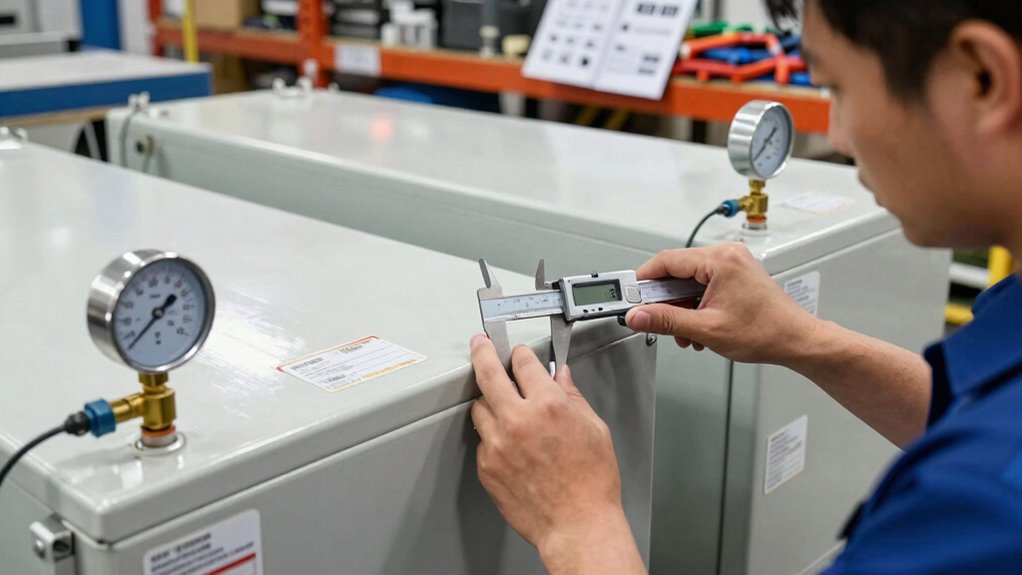
Measuring the equipment’s capacity is another critical step. Oversized or undersized units can lead to inefficiencies, higher energy bills, and increased wear and tear. Make sure to evaluate your storage needs carefully, considering peak loads and future growth plans. Proper capacity ensures the refrigeration system maintains consistent temperatures, preserving product quality and reducing energy waste. Understanding the refrigeration system’s efficiency can help you make more informed decisions and optimize your investment. Additionally, assessing the system’s performance metrics can provide insights into how well the unit will operate over time and under varying conditions.
Operational features also matter. Check how easily the equipment integrates into your existing infrastructure and whether it offers features like variable speed drives or advanced controls. These features can boost energy efficiency by adjusting power use based on real-time demand, further lowering costs. Monitoring the equipment’s noise levels and footprint can help you decide if it’s suitable for your facility’s layout and operational environment. Additionally, understanding the initial setup process can impact your overall installation costs and downtime.
Lastly, don’t overlook the importance of measuring compliance standards and environmental impact. Equipment that meets industry regulations and minimizes refrigerant leaks contributes to sustainability goals and avoids legal or financial penalties. By taking all these measurements into account—energy efficiency, cost analysis, capacity, operational features, and compliance—you ensure your investment is both economically advantageous and aligned with your operational needs. Making informed decisions now will save you time, reduce costs, and help maintain efficient, reliable refrigeration in the long run.
Energy Star commercial refrigeration unit
As an affiliate, we earn on qualifying purchases.
As an affiliate, we earn on qualifying purchases.
Frequently Asked Questions
How Often Should I Calibrate Temperature Sensors on New Refrigeration Units?
You should calibrate your temperature sensors regularly to guarantee sensor accuracy, ideally every six months or as recommended by the manufacturer. Calibration frequency depends on the sensor’s environment and criticality. Regular calibration helps maintain precise readings, preventing spoilage or equipment failure. Keep a maintenance log, and if you notice inconsistent readings or sensor drift, calibrate sooner. Consistent calibration ensures your refrigeration units operate efficiently and reliably.
What Are Common Signs of Inefficient Refrigeration Performance?
Noticing frequent temperature fluctuations or ice buildup? These are common signs your refrigeration system isn’t performing efficiently. You might also hear unusual noises or see increased energy bills. These issues often point to compressor health problems or temperature control issues. Addressing these signs early guarantees costly breakdowns and ensures your equipment runs smoothly. Regular monitoring and maintenance are key to catching inefficiencies before they escalate.
How Can I Estimate Long-Term Energy Savings From New Equipment?
To estimate long-term energy savings, start by analyzing the new equipment’s energy consumption in your specific environment. Conduct a detailed cost analysis comparing current energy costs with projected savings from the new system. Consider factors like usage hours, energy rates, and efficiency improvements. This approach helps you gauge potential savings over time, ensuring your investment delivers tangible financial benefits and reduces operational costs in the long run.
What Safety Measures Should I Verify Before Installation?
Imagine you’re preparing to install a new refrigeration system. You should verify safety protocols like proper electrical grounding and emergency shutoff access. Use an installation checklist to guarantee safety measures, such as securing the equipment and verifying ventilation. For example, a case study shows a facility avoiding costly accidents by double-checking safety protocols before installation. Always prioritize safety to prevent hazards and ensure smooth, compliant setup.
How Do Ambient Conditions Affect Refrigeration Efficiency?
Ambient conditions, like temperature and humidity levels, directly impact refrigeration efficiency. Higher ambient temperatures force your system to work harder, increasing energy consumption and wear. Elevated humidity levels can cause moisture buildup, reducing cooling effectiveness and risking equipment damage. To optimize performance, monitor these conditions regularly, especially in hot or humid environments, and consider installing insulation or dehumidifiers to mitigate their effects, ensuring your refrigeration system runs smoothly and efficiently.
large capacity industrial refrigerator
As an affiliate, we earn on qualifying purchases.
As an affiliate, we earn on qualifying purchases.
Conclusion
Before making your purchase, remember to measure your space, cooling load, and power requirements to guarantee the equipment fits and performs efficiently. Did you know that improper sizing can increase energy costs by up to 30%? By taking these measurements, you’ll save money and avoid costly mistakes. Proper planning now means reliable refrigeration and peace of mind later—so don’t skip these vital steps. Your investment will pay off with ideal performance and long-term savings.
energy-efficient walk-in freezer
As an affiliate, we earn on qualifying purchases.
As an affiliate, we earn on qualifying purchases.
commercial refrigeration system with variable speed drive
As an affiliate, we earn on qualifying purchases.
As an affiliate, we earn on qualifying purchases.
NFL season / tailgating Picks
team gear
As an affiliate, we earn on qualifying purchases.